Understanding Sleep Apnea DOT Physical Requirements

Sleep apnea is a common and potentially serious sleep disorder that affects millions of individuals, including commercial truck drivers. DOT or FMCSA may require sleep apnea testing for commercial drivers based on their health condition. Understanding the connection between sleep apnea DOT physical exam is crucial for those holding a commercial driver’s license (CDL). This guide will walk you through the various aspects of sleep apnea, its implications on DOT physicals, and what you need to know to remain medically qualified to drive.

All about Sleep Apnea, Sleep Study and the Department of Transportation DOT Medical Exam

  • Sleep Apnea Overview: Sleep apnea, particularly obstructive sleep apnea (OSA), involves repeated interruptions in breathing during sleep.
  • DOT Physical and Sleep Apnea: DOT physical exams check if commercial drivers are medically qualified to drive; untreated sleep apnea can disqualify a driver.
  • Risk Factors and Indicators: Key risk factors include high blood pressure, BMI over 35, neck circumference over 17 inches for men and 16 inches for women, and throat evaluation.
  • Diagnosis: Sleep apnea is diagnosed through a sleep study, which may be required if risk factors are present.
  • CPAP Therapy Compliance: Drivers must use a CPAP machine for at least 4 hours per night on 70% of nights and bring a compliance report to the DOT exam.
  • Managing Sleep Apnea: Regular CPAP use, lifestyle changes, and medical check-ups are essential for passing the DOT physical.
  • Action Steps: For a DOT medical card appointment, call 704-544-3494 or visit the Charlotte DOT Exam Center at 8415 Pineville-Matthews Road, Charlotte NC 28226.

What is Sleep Apnea?

Sleep apnea is a sleep disorder characterized by repeated interruptions in breathing during sleep. These interruptions, known as apneas, can last from a few seconds to a minute and occur multiple times throughout the night. Mild sleep apnea refers to a less severe form of the condition, which may only be problematic in certain sleep positions. The most common type is obstructive sleep apnea, where the airway becomes blocked, reducing or stopping airflow.

Types of Sleep Apnea

  1. Obstructive Sleep Apnea (OSA): The most prevalent form, caused by a blockage of the airway.
  2. Central Sleep Apnea: Occurs when the brain fails to send proper signals to muscles that control breathing.
  3. Complex Sleep Apnea Syndrome: A combination of obstructive and central sleep apnea.

Risk Factors for Sleep Apnea

Several risk factors increase the likelihood of developing sleep apnea:

  • High blood pressure
  • Family history
  • Obesity and a high Body Mass Index (BMI)
  • Neck width
  • Age
  • Gender (more common in men)
  • Use of alcohol or sedatives

Impact of Sleep Apnea on DOT Physicals

The DOT physical exam assesses the overall health of commercial drivers to ensure they can safely operate a commercial motor vehicle. A diagnosis of sleep apnea may initially disqualify a driver from holding a CDL if left untreated. One of the critical health conditions evaluated is sleep apnea, as it can significantly impact a driver’s alertness and ability to drive safely.

DOT Physical Requirements for Sleep Apnea

To pass a DOT physical, drivers must be free from medical conditions that could interfere with their ability to safely operate a vehicle. A sleep apnea test may be required based on specific BMI and neck-width measurements, as well as meeting other specified requirements. Sleep apnea is one such condition that can disqualify a driver if left untreated.

Diagnosed with Sleep Apnea

If you have been diagnosed with sleep apnea, it is crucial to demonstrate that it is being effectively treated. Sleep apnea must be treated effectively, often with CPAP therapy, to maintain a CDL. The preferred treatment for obstructive sleep apnea is the use of a CPAP (Continuous Positive Airway Pressure) machine, which helps keep the airway open during sleep.

Sleep Apnea Test

A sleep apnea test, or sleep study, is used to diagnose the condition. This test, conducted in a sleep center or at home, monitors various body functions during sleep, including breathing patterns, oxygen levels, and heart rate.

Treatment Options and Compliance
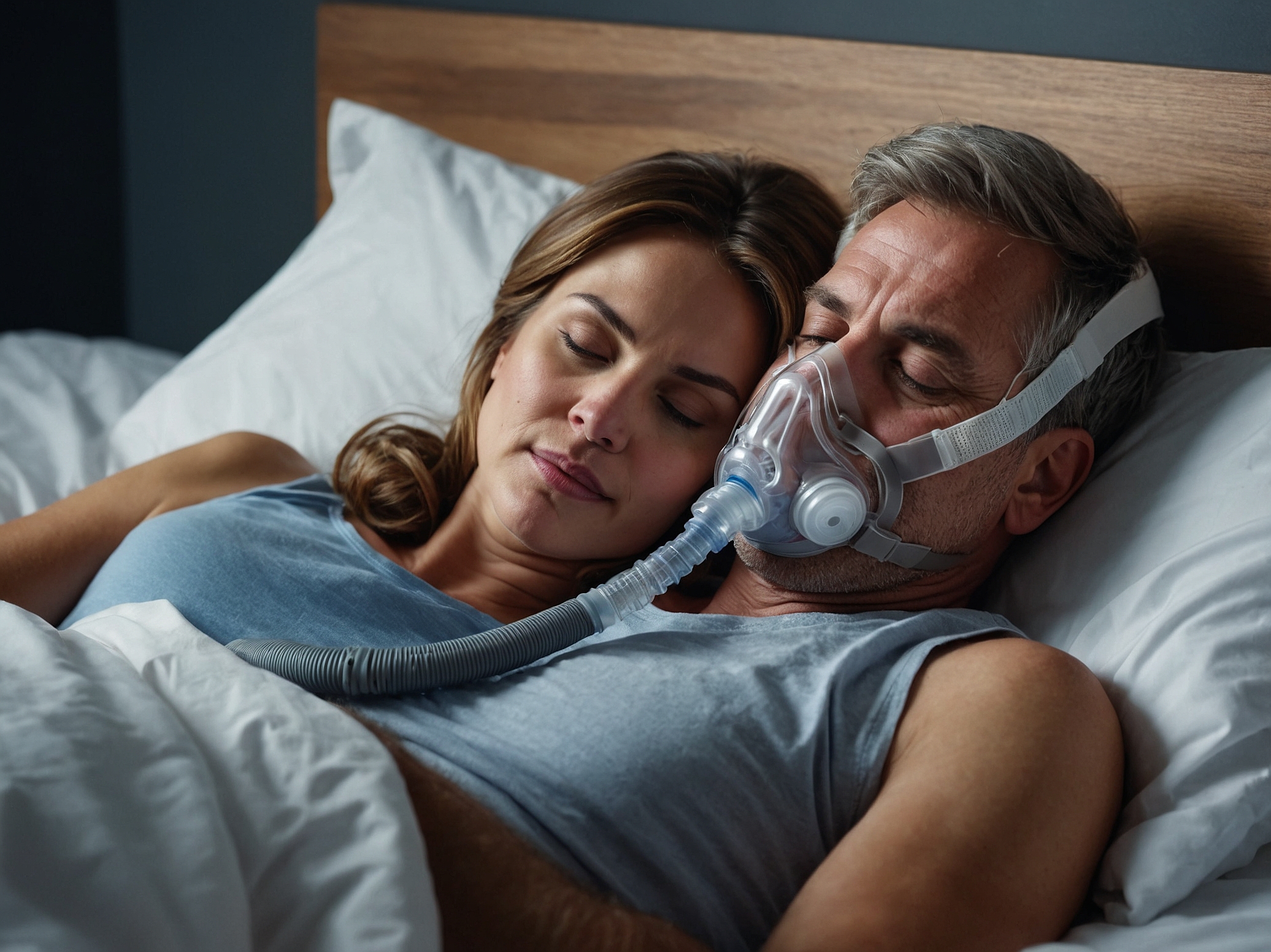
man with sleep apnea using a CPAP machine, sleep apnea dot physical, dot physical and sleep apnea, dot physical requirements for sleep apnea, dot physical sleep apnea requirements, dot sleep apnea test, sleep apnea test for dot, dot sleep study, dot sleep test, dot sleep study requirements, failed dot physical sleep apnea, can you pass a dot physical with sleep apnea, dot physical sleep apnea test, sleep apnea test for dot physical, dot bmi sleep apnea, is sleep apnea test required for dot physical, sleep apnea and dot medical card, sleep apnea dot medical card, sleep study for dot physical, sleep apnea requirements for dot physical

  1. CPAP Therapy: The most common treatment for obstructive sleep apnea, which involves wearing a CPAP machine at night.
  2. Lifestyle Changes: Weight loss, exercise, and avoiding alcohol or sedatives can help reduce symptoms.
  3. Surgical Options: In severe cases, surgery may be necessary to remove tissue and widen the airway.

DOT Physical and CPAP Compliance

To be medically qualified to drive, drivers diagnosed with sleep apnea must show proof of compliance with CPAP therapy. This includes providing a CPAP report indicating regular use of the machine.

Medical Examiners and the DOT Physical

Certified medical examiners conduct the DOT physical exam and evaluate medical conditions, including sleep apnea. They determine if a driver is medically qualified to drive based on their ability to manage their sleep apnea effectively.

Conclusion

Understanding sleep apnea and its implications on your DOT physical is crucial for maintaining your commercial driver’s license. By undergoing regular sleep apnea testing and adhering to treatment plans, you can ensure you remain medically qualified to drive and continue your career safely.

For an appointment for a DOT medical card, call 704-544-3494 and see one of the certified medical examiners at the Charlotte DOT Exam Center. We are located at 8415 Pineville-Matthews Road, Charlotte NC 28226. We have examiners available Monday through Friday 9 – 5 and on Saturday 9 – 12 noon. The cost is $70.00 and includes the required urinalysis and a laminated card for your wallet upon successful completion.

Navigating DOT Physical Requirements for Sleep Apnea

In the second part of our comprehensive guide, we will explore the specific requirements set forth by the Department of Transportation (DOT) for commercial drivers with sleep apnea. Ensuring compliance with these requirements is essential to maintaining your commercial driver’s license and ensuring safe driving.

DOT Physical Exam and Sleep Apnea

The DOT physical exam is designed to ensure that commercial drivers are medically qualified to operate a vehicle safely. Sleep apnea is one of the conditions closely monitored during this exam due to its potential impact on driver alertness and overall health.

Diagnosing Sleep Apnea for DOT Physicals

Diagnosis typically begins with a sleep study. A sleep test is used to diagnose sleep apnea and determine the suitability of CPAP therapy. This can be performed in a sleep center or at home and involves monitoring your sleep patterns, breathing, and oxygen levels. The sleep study provides a detailed analysis of any disruptions in your sleep, helping to diagnose obstructive sleep apnea or other sleep disorders.

DOT Sleep Apnea Test Requirements

If a driver is suspected of having sleep apnea due to risk factors such as high BMI, large neck circumference, or complaints of drowsy driving, a sleep apnea test may be required. Undiagnosed sleep apnea can significantly impact driving safety and DOT physical requirements. The DOT requires documentation of a sleep apnea diagnosis and proof that it is being effectively managed.

Severe Sleep Apnea and DOT Compliance

For those diagnosed with severe sleep apnea, it is vital to demonstrate adherence to a treatment plan. The most common treatment is the use of a CPAP machine, which must be used regularly and correctly. Medical examiners will require a CPAP compliance report, showing consistent usage, typically at least 4 hours per night on 70% of nights.

CPAP Therapy and Compliance

CPAP therapy is the gold standard for treating obstructive sleep apnea. Regular use of a CPAP machine not only helps improve the quality of sleep but also ensures you remain compliant with DOT regulations. Here are key points to consider:

  1. CPAP Compliance: Ensure you use your CPAP machine as prescribed. This compliance is crucial for passing your DOT physical.
  2. CPAP Report: Keep detailed records of your CPAP usage. Medical examiners will request these reports to verify compliance.
  3. Regular Check-Ups: Schedule follow-up appointments with your healthcare provider to ensure your treatment is effective and to make any necessary adjustments.

Risk Factors and Preventative Measures

Understanding and managing risk factors for sleep apnea can significantly improve your chances of passing the DOT physical. Key risk factors include:

  • High Blood Pressure: Regular monitoring and management are crucial.
  • Obesity: Maintaining a healthy weight through diet and exercise can reduce sleep apnea symptoms.
  • Neck Width: A larger neck circumference is a known risk factor for sleep apnea.
  • Lifestyle Choices: Avoiding alcohol and sedatives before bedtime can help reduce sleep apnea episodes.

DOT Medical Card and Sleep Apnea

To maintain a valid DOT medical card, commercial drivers with sleep apnea must demonstrate that their condition is under control. This includes:

  • Providing Medical History: Be prepared to discuss your sleep apnea diagnosis and treatment with the medical examiner.
  • CPAP Compliance: As mentioned earlier, consistent use of a CPAP machine is essential.
  • Regular Follow-Ups: Attend follow-up appointments to adjust treatment as needed and provide updated medical reports.

What to Expect During Your DOT Physical Exam

During the DOT physical exam, the medical examiner will review your medical history, including any diagnosed conditions such as sleep apnea. They will assess:

  1. CPAP Compliance Reports: These reports are crucial for demonstrating effective treatment.
  2. Overall Health: Other health conditions, such as high blood pressure, will also be evaluated.
  3. Physical Examination: This includes measurements like BMI and neck circumference, which are indicators of sleep apnea risk.

Successfully Passing Your DOT Physical with Sleep Apnea

By following your treatment plan, maintaining regular use of your CPAP machine, and managing other health risk factors, you can successfully pass your DOT physical exam and continue your career as a commercial driver.

For an appointment for a DOT medical card, call 704-544-3494 and see one of the certified medical examiners at the Charlotte DOT Exam Center. We are located at 8415 Pineville-Matthews Road, Charlotte NC 28226. We have examiners available Monday through Friday 9 – 5 and on Saturday 9 – 12 noon. The cost is $70.00 and includes the required urinalysis and a laminated card for your wallet upon successful completion.

Ensuring Compliance with Sleep Apnea DOT Physical Requirements

In this final section, we will provide practical tips to help you maintain compliance with DOT physical requirements related to sleep apnea. We will also answer some frequently asked questions to clarify common concerns and misconceptions.

Practical Tips for Managing Sleep Apnea

  1. Adherence to CPAP Therapy: Consistent use of your CPAP machine is critical. Make it a habit to use it every night, ensuring you meet the compliance criteria of at least 4 hours per night on 70% of nights.
  2. Regular Medical Check-Ups: Schedule regular visits with your healthcare provider to monitor your condition and make any necessary adjustments to your treatment plan.
  3. Lifestyle Changes: Implement lifestyle changes such as maintaining a healthy weight, exercising regularly, and avoiding alcohol and sedatives before bedtime.
  4. Track Your Progress: Keep detailed records of your CPAP usage and any other relevant health information. This will be useful during your DOT physical exam.

Frequently Asked Questions (FAQs)

Can you have sleep apnea and pass a DOT physical?

Yes, you can pass a DOT physical with sleep apnea, provided you can demonstrate that your condition is effectively managed and you comply with treatment requirements, such as regular use of a CPAP machine.

Will I lose my CDL if I have sleep apnea?

You will not lose your CDL if you have sleep apnea, as long as you manage your condition effectively and comply with DOT requirements. Non-compliance or untreated sleep apnea could lead to disqualification.

What does a DOT physical sleep apnea test consist of?

A sleep apnea test for  DOT physical consists of using a at home monitor of your oxygen saturation while you sleep. You can also do an “in facility” test which is more expensive.

How does the DOT know if you have sleep apnea?

The DOT relies on medical examiners to assess risk factors and review medical history. If you exhibit symptoms or have risk factors for sleep apnea, you may be required to undergo a sleep apnea test.

What is the CPAP compliance for DOT?

CPAP compliance for DOT typically requires at least 4 hours of usage per night on 70% of nights. You will need to provide a CPAP report to demonstrate this compliance.

What is DOT compliance for sleep apnea?

DOT compliance for sleep apnea involves regular use of a CPAP machine, documented proof of compliance, and regular follow-up with your healthcare provider to ensure effective management of the condition.

Do truck drivers have to be tested for sleep apnea?

Truck drivers may be required to undergo sleep apnea testing if they have risk factors such as high BMI, large neck circumference, or a history of drowsy driving. Medical examiners make this determination during the DOT physical exam.

Can you pass a DOT physical with sleep apnea?

To pass a DOT physical with sleep apnea, ensure you are using your CPAP machine regularly, maintain a healthy lifestyle, and provide all necessary documentation to the medical examiner.

Will sleep apnea make you fail a DOT physical?

Untreated or non-compliant sleep apnea can lead to failure of a DOT physical. However, if you manage your condition effectively and comply with treatment, you can pass the exam.

Can I lose my CDL if I have sleep apnea?

You will not lose your CDL if you have sleep apnea, provided you comply with treatment requirements and demonstrate effective management of your condition. Failure to do so could result in disqualification.

How do you pass a DOT physical for sleep apnea?

To pass a DOT physical for sleep apnea, ensure regular use of your CPAP machine, maintain compliance with treatment, provide necessary documentation, and manage any other health risk factors.

How long can I be certified for sleep apnea and DOT medical card?

As long as you are compliant and above 70%, you can be certified for up to one year.

What BMI is needed for a DOT sleep study?

There is no specific BMI that mandates a DOT sleep study. However, a high BMI (typically over 35) may prompt the medical examiner to recommend sleep apnea testing due to the increased risk of the condition.

Conclusion

Managing sleep apnea effectively and understanding DOT physical requirements are crucial for maintaining your commercial driver’s license and ensuring safe driving. By adhering to treatment plans, regular use of CPAP machines, and maintaining a healthy lifestyle, you can successfully navigate the DOT physical exam process.

For an appointment for a DOT medical card, call 704-544-3494 and see one of the certified medical examiners at the Charlotte DOT Exam Center. We are located at 8415 Pineville-Matthews Road, Charlotte NC 28226. We have examiners available Monday through Friday 9 – 5 and on Saturday 9 – 12 noon. The cost is $70.00 and includes the required urinalysis and a laminated card for your wallet upon successful completion.

Why Charlotte DOT Exam Center is Your Best Choice for DOT Physicals Over Urgent Care Clinics, Concentra, and CVS

Get Your DOT Physical at Charlotte DOT Exam Center

If you’re a commercial driver, maintaining your DOT medical certification is crucial. While you have options like urgent care clinics, Concentra, or CVS for your DOT physical exam, choosing the Charlotte DOT Exam Center offers distinct advantages that ensure you receive the best possible care.

Why Choose Charlotte DOT Exam Center Over an Urgent Care Clinic?

  1. Specialized Expertise: Unlike general urgent care clinics, Charlotte DOT Exam Center specializes in DOT physicals. Our team is thoroughly trained in FMCSA regulations, ensuring that your exam is conducted with the utmost precision and care.
  2. Dedicated Services: At Charlotte DOT Exam Center, DOT physicals are our primary focus. This means you won’t face long wait times or be treated as just another patient among many with unrelated health issues, as you might at an urgent care facility.
  3. Personalized Attention: Our experienced medical professionals provide one-on-one attention, ensuring that your unique health needs are met. This level of personalized care is often lacking in larger chains like Concentra or CVS.
  4. Convenient and Efficient: Our streamlined process ensures that your DOT physical is completed quickly and efficiently, without the typical delays experienced at busy urgent care clinics, Concentra, or CVS.

Comprehensive DOT Physical Services

urgent care Concentra and CVS DOT physical exam doctor female. urgent care clinic.

When you visit Charlotte DOT Exam Center, you can expect a thorough and professional examination that includes:

  • Medical History Review: Detailed assessment of your medical history, current medications, and any past or present health conditions.
  • Physical Examination: Comprehensive evaluation including vision, hearing, blood pressure, and overall physical health.
  • Urinalysis: Essential testing to check for underlying conditions such as diabetes.
  • Health and Safety Guidance: Expert advice and recommendations based on your exam results, with referrals to specialists if necessary.

Additional Services

Beyond DOT physicals, Charlotte DOT Exam Center offers a range of services to support commercial drivers:

  • Drug and Alcohol Testing: Fast, accurate, and confidential testing to ensure compliance with FMCSA regulations.
  • Employer Services: Partnerships with businesses to provide DOT physicals and drug testing for their drivers, ensuring workforce compliance and safety.
  • Follow-Up Exams and Re-certifications: Regular check-ups and re-certifications to keep your DOT medical certification current without disrupting your work schedule.

Frequently Asked Questions

What Should I Bring to My DOT Physical?

Please bring the following to your appointment at Charlotte DOT Exam Center:

  • A valid driver’s license
  • Your medical history, including a list of medications
  • Glasses or contact lenses if you use them
  • Hearing aids if you use them
  • Any required medical records

How Often Do I Need a DOT Physical?

DOT physicals are typically required every 24 months. Certain medical conditions, such as high blood pressure, may necessitate more frequent exams.

Can I Fail a DOT Physical?

Yes, not meeting the FMCSA health standards can result in a failed DOT physical. Our team will provide guidance on addressing any health issues to improve your chances of passing on a future visit.

FAQs about DOT Physicals at Concentra

How much is a DOT physical in NC?

The cost of a DOT physical at Concentra in North Carolina typically ranges from $85 to $150, depending on the specific location and any additional services required during the examination.  The Charlotte DOT Exam Center charges $70.00.

What does a DOT physical consist of in Illinois?

In Illinois, a DOT physical at Concentra includes a comprehensive review of the driver’s medical history, vision and hearing tests, blood pressure and pulse rate checks, a full physical examination (including checks of the mouth and throat, abdomen, and limbs), and a urinalysis to detect underlying health conditions.

How much is a DOT physical in Michigan?

The cost of a DOT physical at Concentra locations in Michigan usually falls between $90 and $160. Prices can vary slightly based on the clinic and any supplementary tests or services needed during the physical.

What is the blood pressure requirement for a Concentra DOT physical?

To pass a DOT physical at Concentra, drivers must have a blood pressure reading below 140/90. If a driver’s blood pressure is higher, they may be given a temporary certification and advised to manage their blood pressure through lifestyle changes or medication before re-testing.

Why Charlotte DOT Exam Center is Better Than Concentra or CVS

  1. Focus on Drivers: Unlike Concentra or CVS, where DOT physicals are just one of many services, Charlotte DOT Exam Center is dedicated to the health and safety of commercial drivers. Our focused approach means you get the specialized care you need.
  2. No Long Wait Times: At Concentra or CVS, you might experience long wait times due to their high patient volume and variety of services. At Charlotte DOT Exam Center, our primary focus on DOT physicals ensures you are seen quickly and efficiently.
  3. Personalized Service: Our center offers a more personalized and attentive experience compared to the large chain operations of Concentra and CVS. We take the time to understand your health needs and provide tailored care.

Book Your Appointment Today

Don’t risk your job with an expired DOT medical certification. Choose the Charlotte DOT Exam Center for your DOT physical and experience the difference in specialized, efficient, and personalized care.

Call us now at (704) 544-3494 to schedule your DOT physical or to learn more about our services. Visit our website to book your appointment online and find out more about why Charlotte DOT Exam Center is the best choice over urgent care clinics, Concentra, or CVS.

Stay compliant, stay healthy, and stay on the road with Charlotte DOT Exam Center.

Understanding the Drug Test for DOT Physical: Essential Information for CMV Drivers

The first question to answer is: is a drug test for DOT physical required? The answer is NO. A urinalysis is performed as part of the DOT physical to determine kidney function, specifically looking at the specific gravity, protein, blood and sugar. These can be indications of other more serious health issues. A drug test for a commercial driver is performed upon initial employment with a company and randomly throughout the year.

When it comes to operating a commercial motor vehicle (CMV), maintaining a high standard of health and safety is crucial. For this reason, the Department of Transportation (DOT) mandates that all commercial drivers undergo a DOT physical exam and drug test. Obtaining a DOT medical certificate is essential for maintaining your Commercial Driver’s License (CDL) and continuing to drive. This comprehensive guide will walk you through everything you need to know about these requirements, ensuring you are well-prepared and informed.

What is a DOT Physical Exam?

A DOT physical exam is a medical evaluation required for commercial drivers to ensure they are physically and mentally fit to safely operate a CMV. The DOT physical exam requirements ensure that drivers meet specific health standards, which include a series of tests and assessments conducted by a certified medical examiner to evaluate various health parameters.

Key Components of a DOT Physical Exam:

  • Vision Test: Ensures drivers have adequate vision (at least 20/40) with or without corrective lenses.
  • Hearing Test: A forced whisper test to ensure the driver can hear adequately.
  • Blood Pressure and Pulse Rate: Assesses cardiovascular health. Managing high blood pressure is crucial as it can make a commercial driver a hazard on the road if it becomes unmanageable. It is important to disclose high blood pressure and any prescribed medications during the DOT physical exam to ensure the driver’s ability to safely operate a commercial motor vehicle.
  • Urinalysis: Screens for underlying medical conditions such as diabetes.
  • Physical Examination: A thorough check-up of the body, including the heart, lungs, spine, and other vital organs.

The Role of Drug Test for DOT Physical

A critical part of the DOT physical exam is the drug test. This test ensures that drivers are free from the influence of illegal substances, which could impair their ability to operate a vehicle safely. The medical examiner’s discretion allows for ordering non-DOT drug tests based on the driver’s history of substance abuse, prescribed medications, and findings during the physical exam.

Types of Drug Tests:

What to Expect During a DOT Drug Test

dot drug screen and physical,

dot drug test and physical,

drug test dot physical,

does dot physical include drug screen,

does dot physical include drug test,

do dot physicals drug test,

do they drug test for a dot physical,

does dot physical drug test,

does dot physical test for drugs,

dot physical do they drug test,

is dot physical a drug test,

do you get drug tested at a dot physical,

does dot physical require drug test,

dot medical card drug test,

drug test for dot medical card,

is drug test part of dot physical,

is drug test required for dot physical,

is there a drug test for a dot physical,

do they drug test for dot medical card,

does dot medical card test for drugs,

does dot medical exam test for drugs,

dot physical and drug test procedure,

dot physical include drug test,

dot physical pee test,

pass dot physical drug test,

do dot physicals include drug test,

dot physical drug test requirements,

dot physical require drug test,

is the dot physical a drug test,

what drugs are tested for in a dot physical,

what is a dot physical and drug test,

what is a dot physical drug test,

do all dot physicals drug test,

do dot physicals check for drugs,

do they drug test during a dot physical,

do you drug test for dot physical,

dot medical drug test,

dot medical exam drug test,

dot physical no drug test

During a DOT physical exam, drivers will undergo a DOT physical urine test, where they provide a urine sample under controlled conditions. The sample is then analyzed for the presence of specific substances.

Substances Tested in a DOT Drug Test:

  • Marijuana
  • Cocaine
  • Amphetamines
  • Opiates
  • Phencyclidine (PCP)

Common Questions About DOT Physicals and Drug Testing

What kind of drug test does DOT use? The DOT uses a urine sample drug test to detect five specific drug categories: marijuana, cocaine, opiates, amphetamines, and phencyclidine (PCP).

What do they check for in urine for a DOT physical? The urinalysis checks for signs of kidney disease, diabetes, and other underlying medical conditions, as well as the presence of drugs.

What’s tested on a 10-panel drug test? A 10-panel drug test screens for additional substances including barbiturates, benzodiazepines, methadone, methaqualone, and propoxyphene, along with the five substances tested in a DOT drug test.

What is a non-DOT drug test? A non-DOT drug test is not regulated by the Department of Transportation and may test for a broader range of substances depending on the employer’s requirements.

What does a DOT urine test check for? A DOT urine test checks for the presence of marijuana, cocaine, opiates, amphetamines, and PCP.

How much is a DOT physical in NC? The cost of a DOT physical in North Carolina is typically around $70.00 at both Tebby Chiropractic and Sports Medicine Clinic and the Charlotte DOT Exam Center.

What does a DOT drug test consist of? A DOT drug test consists of collecting a urine sample and testing it for five specific drug categories: marijuana, cocaine, opiates, amphetamines, and PCP.

What is the sugar level in urine for a DOT physical? The DOT physical may include a urinalysis that checks for elevated sugar levels, which could indicate diabetes.

How to pass a DOT blood pressure test? To pass a DOT blood pressure test, ensure your blood pressure is within the acceptable range, typically under 140/90. Managing stress, maintaining a healthy diet, and regular exercise can help keep blood pressure levels in check.

Can you pass a DOT physical with glucose in urine? Elevated glucose levels in urine can indicate diabetes. If diagnosed, you may need to provide additional medical documentation to demonstrate controlled blood sugar levels.

Can you do a hair follicle drug test for DOT? The DOT currently mandates urine tests, not hair follicle tests, for drug screening.

Does a DOT urine test check for drugs? Yes, the DOT urine test specifically checks for drugs including marijuana, cocaine, opiates, amphetamines, and PCP.

What is a DOT alcohol test? A DOT alcohol test is a breathalyzer test that measures blood alcohol concentration (BAC) to ensure it is below the legal limit.

Does DOT test for Xanax? Xanax is not typically included in the standard DOT drug test panel but may be tested in non-DOT drug tests.

What is a non-DOT drug screen? A non-DOT drug screen is a drug test not regulated by the DOT and can vary in the substances it tests for based on the employer’s requirements.

Can poor vision affect passing the DOT physical? Yes, poor vision can affect passing the DOT physical. Adequate vision is crucial for safe driving, and the DOT physical includes an eye exam to ensure drivers meet the required vision standards.

Can sleep apnea affect passing the DOT physical? Yes, sleep apnea can affect passing the DOT physical. Sleep apnea poses significant risks for commercial drivers, as it can lead to fatigue and reduced alertness, potentially endangering the driver and others on the road.

Is a pre-employment drug test required for a DOT physical exam? While the DOT physical exam itself does not include a drug test, many companies require a pre-employment drug test as part of their hiring process. This drug screening typically tests for substances such as marijuana, cocaine, opiates, phencyclidine, and amphetamines/methamphetamines.

Conclusion

Understanding the requirements and procedures for a DOT physical and drug test is essential for all commercial drivers. Staying informed and prepared helps ensure that you meet the necessary standards to operate a commercial motor vehicle safely and legally.

For an appointment for a DOT medical card, call 704-544-3494 and see one of the certified medical examiners at the Charlotte DOT Exam Center. We are located in South Charlotte, convenient to I-485, I-77, and I-85. We have examiners available Monday through Friday from 9 am to 5 pm and on Saturday from 9 am to 12 noon. The cost is $70.00 and includes the required urinalysis and a laminated card for your wallet upon successful completion.

The Comprehensive Guide to DOT Physical Exam for Commercial Drivers

Introduction

For professional truck drivers, maintaining health and meeting safety standards are paramount. Chiropractors (DCs) are among the certified medical examiners who can perform DOT physicals. A key component of ensuring that truck drivers are fit for the road is the DOT physical exam for commercial drivers. Mandated by the Federal Motor Carrier Safety Administration (FMCSA), the DOT physical is essential for obtaining and maintaining a commercial driver’s license (CDL). This comprehensive health examination mandated by federal regulations ensures that drivers can safely operate a commercial motor vehicle (CMV). At the Charlotte DOT Exam Center, we specialize in providing thorough and efficient DOT physicals to help you

Understanding the DOT Physical Exams For Commercial Drivers

The DOT physical is a health examination mandated by the Department of Transportation (DOT) to ensure that commercial vehicle drivers are physically qualified to operate CMVs safely. Certified medical examiners are responsible for performing DOT physicals according to DOT criteria, making this exam essential for obtaining and renewing a DOT medical card, which is a prerequisite

Key Components of the DOT Physical Exam For Commercial Drivers

  1. Medical History Review: The exam begins with a detailed review of your medical history, including any past or current health conditions, surgeries, medications, and lifestyle factors such as smoking and alcohol consumption. It’s important to be honest and thorough during this part of the exam.
  2. Vital Signs Check: Your blood pressure, pulse rate, and body mass index (BMI) are measured. High blood pressure and irregular heartbeats can be red flags that require further evaluation.
  3. Vision and Hearing Tests:
    • Vision Test: This ensures you meet the required vision standards, either naturally or with corrective lenses. Peripheral vision and the ability to distinguish colors are also tested.
    • Hearing Test: A hearing test checks if you can hear a forced whisper from five feet away, ensuring you can respond to sounds on the road. If you use hearing aids, bring them to the exam.
  4. Physical Examination: This comprehensive physical exam checks your overall health, including heart, lungs, abdomen, and musculoskeletal system. The medical examiner looks for any signs of muscle weakness, neurological issues, or other health concerns that could impair your driving ability.
  5. Urine Sample: A urinalysis is performed to check for underlying conditions such as diabetes and kidney disease. This test is also part of the DOT physical requirements to ensure you are not using controlled substances.
  6. Special Considerations:
    • Sleep Apnea: If you have symptoms or a history of sleep apnea, you may need to undergo a sleep apnea test and possibly use a CPAP machine to manage the condition.
    • Insulin-Treated Diabetes: Drivers with insulin-treated diabetes must meet specific criteria and provide additional documentation to ensure their condition is well-managed.

The Role of the Medical Examiner

Certified medical examiners play a crucial role in conducting DOT physical exams. They are trained to understand the specific health requirements for commercial drivers and ensure that each driver meets the necessary standards. At the Charlotte DOT Exam Center, our certified medical examiners are experienced in performing DOT physicals and providing the necessary documentation, such as the medical examiner’s certificate and the DOT medical card. The medical examiner’s certificate (MEC) is issued upon successful completion of the DOT physical exam and is crucial for maintaining a CDL.

Preparing for Your DOT Physical

To ensure a smooth and successful DOT physical, here are some preparation tips:

  • Bring Necessary Documents: Include your driver’s license, a list of current medications, and your medical history.
  • Stay Hydrated and Eat Healthily: Avoid excessive caffeine and salty foods before your exam to help keep your blood pressure in check.
  • Manage Medications: Take your medications as prescribed, and bring them with you. If you have any medical conditions, such as hypertension or diabetes, ensure they are well-managed and under control.
  • Get a Good Night’s Sleep: Being well-rested can help keep your blood pressure in check and ensure you are at your best for the exam.

Common Health Concerns

Several health conditions can impact your ability to pass the DOT physical. Here are some common concerns and how they are addressed:

  • High Blood Pressure: Regular monitoring and management of your blood pressure are essential. The DOT physical includes multiple readings to ensure an accurate measurement.
  • Vision and Hearing: Ensure your vision and hearing are up to standard. Corrective lenses and hearing aids should be in good condition and used as needed.
  • Sleep Apnea: Proper diagnosis and treatment with a CPAP machine can help manage this condition and keep you fit for driving.
  • Chronic Conditions: Conditions like diabetes and heart disease must be well-managed with regular check-ups and medication.

Conclusion

The DOT physical exam is a vital part of maintaining the safety and health of commercial drivers. At the Charlotte DOT Exam Center, we are committed to providing comprehensive and efficient DOT physicals to help you stay compliant and healthy. For an appointment, call 704-544-3494 and see one of our certified medical examiners. We are located at 8415 Pineville-Matthews Road, Charlotte NC 28226. Our examiners are available Monday through Friday from 9 AM to 5 PM and on Saturday from 9 AM to 12 noon. The cost is $70.00 and includes the required urinalysis and a laminated card for your wallet upon successful completion.

Stay tuned for the next section where we dive deeper into specific DOT physical requirements and answer common FAQs.

Detailed Breakdown of DOT Physical Requirements  DOT Physical Exam for Commercial Drivers

Understanding the specific requirements of a DOT physical exam can help you better prepare and ensure you meet all the necessary criteria. Here’s a detailed look at what to expect during your examination and the standards you need to meet.

Vision Requirements

Good vision is crucial for safe driving. During your DOT physical, your vision will be tested to ensure it meets the following standards:

  • Visual Acuity: You must have at least 20/40 vision in each eye, with or without corrective lenses.
  • Peripheral Vision: Your peripheral vision must be at least 70 degrees in the horizontal meridian in each eye.
  • Color Vision: You must be able to distinguish the colors of traffic signals and devices showing standard red, green, and amber.

Hearing Requirements

Hearing is another critical aspect of safe driving. The hearing test during your DOT physical involves:

  • Forced Whisper Test: You must be able to hear a forced whisper from at least five feet away, with or without a hearing aid.
  • Audiometry Test: Alternatively, your hearing loss must not exceed an average hearing loss of 40 dB or more at 500 Hz, 1000 Hz, and 2000 Hz in your better ear, with or without a hearing aid.

Blood Pressure and Pulse Rate

Your blood pressure and pulse rate are important indicators of your cardiovascular health. The standards include:

  • Blood Pressure: Ideally, your blood pressure should be below 140/90 mmHg. If it’s slightly higher, you might still pass but with a shorter certification period.
  • Pulse Rate: Your pulse rate is checked for any irregularities or signs of cardiovascular disease.

Cardiovascular Health

The DOT physical exam includes a thorough check of your cardiovascular health to ensure you do not have any conditions that could impair your driving. This includes checking for:

  • Heart Disease: Any history of heart disease, heart attack, or other cardiovascular conditions will be reviewed.
  • Irregular Heartbeats: Any irregularities in your heartbeats will be noted and may require further investigation.

Respiratory Health

Your respiratory health is assessed to ensure you do not have any conditions that could affect your breathing while driving:

  • Sleep Apnea: If you have a history of sleep apnea, you must provide proof that it is being managed, typically with a CPAP machine.
  • Respiratory Dysfunction: Any chronic respiratory conditions will be evaluated to ensure they do not impair your ability to drive.

Neurological Health

Your neurological health is another crucial aspect of the DOT physical. The exam includes:

  • Neurological Issues: Any history of seizures, epilepsy, or other neurological disorders will be reviewed.
  • Muscle Weakness: The medical examiner will check for any signs of muscle weakness or conditions that could impair your driving ability.

The Role of Certified Medical Examiners

Certified medical examiners are responsible for performing DOT physicals and ensuring that all commercial drivers meet the required health standards. These professionals are trained to understand the specific needs of commercial drivers and the regulations set by the FMCSA.

At the Charlotte DOT Exam Center, our certified medical examiners provide thorough and compassionate care to help you meet these standards. They are well-versed in the latest DOT physical requirements and committed to ensuring that each driver is physically qualified to operate a commercial vehicle safely.

Common Health Concerns Addressed

During your DOT physical, several common health concerns are addressed to ensure you meet the necessary standards:

  • High Blood Pressure: Regular monitoring and proper management are essential. We provide multiple readings to ensure accurate measurement.
  • Diabetes: Drivers with insulin-treated diabetes must provide documentation to show that their condition is well-managed.
  • Vision and Hearing Issues: Ensure your corrective lenses or hearing aids are in good condition and used as needed.

DOT Medical Card and Certification

Once you pass your DOT physical, you will receive a DOT medical card, also known as a medical examiner’s certificate (MEC). This certificate is essential for maintaining your CDL and must be renewed periodically. If you have any medical conditions that require monitoring, you may receive a certificate with a shorter validity period.

Conclusion

The DOT physical exam is an essential part of ensuring the safety and health of commercial drivers. At the Charlotte DOT Exam Center, we are dedicated to providing comprehensive and efficient DOT physicals to help you stay compliant and healthy on the road. For an appointment, call 704-544-3494 and see one of our certified medical examiners. We are located at 8415 Pineville-Matthews Road, Charlotte NC 28226. Our examiners are available Monday through Friday from 9 AM to 5 PM and on Saturday from 9 AM to 12 noon. The cost is $70.00 and includes the required urinalysis and a laminated card for your wallet upon successful completion.

Frequently Asked Questions

What does a North Carolina DOT physical consist of?
A North Carolina DOT physical includes a review of your medical history, vision and hearing tests, blood pressure and pulse rate checks, and a comprehensive physical examination. A urine sample is also taken to check for underlying health conditions.

How much is a DOT physical in NC?
The cost of a DOT physical in North Carolina typically ranges from $60 to $100. At the Charlotte DOT Exam Center, the cost is $70.00, including the required urinalysis and a laminated DOT medical card.

What does a DOT physical consist of in California?
A DOT physical in California includes similar components to those in other states: a medical history review, vision and hearing tests, blood pressure and pulse rate checks, a physical examination, and a urine sample.

Can I keep my CDL without a medical card in North Carolina?
No, you cannot keep your CDL without a valid DOT medical card in North Carolina. The DOT medical card is a mandatory requirement for maintaining your CDL.

What is required for a DOT physical in North Carolina?
For a DOT physical in North Carolina, you need to provide your driver’s license, a list of current medications, and your medical history. The physical includes vision and hearing tests, blood pressure and pulse rate checks, a physical examination, and a urine sample.

How much does an NC DOT physical cost?
The cost of an NC DOT physical typically ranges from $60 to $100. At the Charlotte DOT Exam Center, the cost is $70.00.

What happens if you let your DOT medical card expire in NC?
If your DOT medical card expires in North Carolina, you may be disqualified from driving a commercial vehicle until you renew your certification. It’s essential to keep your DOT medical card up to date to avoid any interruptions in your driving career.

Where do I send my DOT medical card in NC?
In North Carolina, you need to submit your DOT medical card to the North Carolina Division of Motor Vehicles (NCDMV). You can submit it online, by mail, or in person at a DMV office.

Where can you find the medical standards for CMV operation?
The medical standards for CMV operation are available on the FMCSA website. These standards outline the health requirements that commercial drivers must meet to be physically qualified to drive.

What does a physical consist of?
A physical exam typically includes a review of your medical history, a check of vital signs (such as blood pressure and pulse rate), a vision and hearing test, a physical examination of various body systems, and often a urine sample.

Will I lose my CDL if my medical card expires in NC?
Yes, if your DOT medical card expires in North Carolina, you may lose your CDL until you renew your certification. It’s important to keep your medical card current to maintain your CDL.

What does a DOT urinalysis test for?
A DOT urinalysis tests for underlying health conditions such as diabetes and kidney disease. It is also used to check for controlled substances.

What does a DOT physical consist of in Ohio?
A DOT physical in Ohio includes a medical history review, vision and hearing tests, blood pressure and pulse rate checks, a physical examination, and a urine sample.

What does a DOT physical consist of in Texas?
A DOT physical in Texas includes a medical history review, vision and hearing tests, blood pressure and pulse rate checks, a physical examination, and a urine sample.

Who needs a DOT medical card in PA?
In Pennsylvania, all commercial drivers operating a CMV are required to have a valid DOT medical card.

Who needs a DOT medical card in NJ?
In New Jersey, all commercial drivers operating a CMV are required to have a valid DOT medical card.

Can I keep my CDL without a medical card in PA?
No, you cannot keep your CDL without a valid DOT medical card in Pennsylvania. The DOT medical card is a mandatory requirement for maintaining your CDL.

How to pass a DOT blood pressure test?
To pass a DOT blood pressure test, ensure you maintain a healthy lifestyle, including regular exercise, a balanced diet, and stress management. Avoid excessive caffeine and salt before the exam and take prescribed medications as directed.

How much is a DOT physical in CT?
The cost of a DOT physical in Connecticut typically ranges from $60 to $100, depending on the provider.

What does a DOT physical consist of in Illinois?
A DOT physical in Illinois includes a medical history review, vision and hearing tests, blood pressure and pulse rate checks, a physical examination, and a urine sample.

Heart Disease

DOT Exam and Heart Disease

Drivers, If you have or had any history of cardiovascular disease (heart disease), that includes angina (chest pain), myocardial infarction (MI) or heart attack, please read the following requirements when you come in for your DOT physical exam.  If you’ve had any procedures for these medical conditions, including angioplasty, stents, or bypass surgery, you will need to familiarize yourself with the following FMCSA guidelines.  Please share them with your treating doctor as you will need to provide us with medical records and clearance letters from your doctor.  Remember, only a FMCSA approved DOT medical examiner can certify you physically and provide you with a medical examiner’s certificate.  You and your company or motor carrier will have to be compliant by May 21, 2014.  In the mean time, prior to that, a properly performed DOT driver physical exam by a medical examiner as defined by the FMCSA will suffice, and will be valid for the time period you are certified for, even if it extends beyond May 21, 2014.  However, if you are getting your examination for the first time or re-certifying on or after May 21, 2014, you will need to see a medical examiner listed in the National Registry of Certified Medical Examiners (NRCME).

Here are the Cardiovascular guidelines (please share with your treating doctor):

Angina (chest pain)

  • Minimum of 3 months with no resting angina or change in angina pattern or decreased response to medication.
  • stable angina
  • asymptomatic.
  • tolerating medications.
  • satisfactory ETT (exercise tolerate test)
  • evaluation and clearance from a cardiovascular specialist who understands the functions and demands of commercial driving.  Satisfactory ETT every two years.  If an ETT is inconclusive, an imaging stress test may be indicated.

MI (myocardial infarction or heart attack)

*video:  http://www.nlm.nih.gov/medlineplus/ency/anatomyvideos/000037.htm

  • minimum 2 month waiting period post MI
  • asymptomatic
  • tolerating medications and cardiovascular therapy
  • satisfactory ETT (post MI aprox.4-6 wks).
  • Left Ventricular Ejection Fraction (LVEF) greater than or equal to 40%
  • no resting ECG ischemic changes
  • no angina at rest, or change in angina pattern within 3 months of examination
  • satisfactory ETT every 2 years.**
  • clearance by cardiovascular specialist who understands the functions and demands of commercial driving such as load/unloading cargo, tarping trailers, inspecting brake lines and putting on tire chains.

PCI (Percutaneous Coronary Intervention)

“Angioplasty with or without stents”

videos:  http://www.nlm.nih.gov/medlineplus/ency/anatomyvideos/000096.htm

shorter video:  http://www.nlm.nih.gov/medlineplus/ency/anatomyvideos/000008.htm

  • mandatory 1 week waiting period
  • asymptomatic at examination.
  • tolerating medications.
  • no injury to the vascular access site.
  • no incomplete healing or complication at vascular access site.
  • no resting angina.
  • no ischemic electrocardiogram (ECG) changes.
  • following initial certification to drive, the driver should have a satisfactory ETT 3 to 6 months post-percutaneous coronary intervention and bring results to a 6-month follow-up examination.
  • clearance from a cardiovascular specialist who understands the functions and demands of commercial driving.  Satisfactory ETT every two years.  If an ETT is inconclusive, an imaging stress test may be indicated.


CABG (Coronary Artery Bypass graft)

video:  http://www.nlm.nih.gov/medlineplus/ency/anatomyvideos/000065.htm

  • minimum waiting period of 3 months post CABG
  • healed sternum.
  • LVEF greater than or equal to 40%.
  • asymptomatic status with no angina
  • tolerating medications, no orthostatic symptoms.
  • yearly exam and clearance by cardiologist.
  • no current diagnosis of coronary heart disease (CHD) or cardiovascular disease (CVD) that exhibits syncope, dyspnea, collapse, or congestive heart disease that interferes with the safe operation of a commercial motor Vehicle (CMV).

The following is required yearly beginning 5 years post CABG:

  • still with no current diagnosis of CHD or CVD that exhibits syncope, dyspnea, collapse, or congestive heart disease that interferes with the safe operation of a CMV.
  • responding to medication and have been advised regarding use and side effects that may interfere with operation of a CMV
  • beginning 5 years post-surgery, must have a satisfactory ETT yearly.  Imaging stress test if indicated.  Have a LVEF equal to or greater than 40%.  Recommendation that driver can safely operate a CMV.

Please refer to the FMCSA 2007 Cardiovascular Guidelines Cardiovascular_Disease_2007 Guidelines  and the 2009 cardiovascular Recommendation Tables Cardiovascular_Recommendation_Tables154164339-1.143224731_2009 for more information).

*videos:  From MedlinePlus.  A service of the US National Library of Medicine, National Institute of Health (NIH).

Stent

For a commercial driver with a stent, the Federal Motor Carrier Safety Administration (FMCSA) provides specific criteria and requirements to assess and potentially certify them to drive, with additional conditions.

Certification Requirements and Restrictions

Initial Post-Procedure Waiting Period: After a percutaneous coronary intervention (PCI) involving stent placement, a waiting period of 1-3 months is generally recommended before considering certification. This time allows for monitoring and stabilization following the procedure.

Documentation and Evaluation:

Medical Records: The driver must provide detailed medical documentation from their cardiologist indicating successful completion of the procedure and the absence of complications.
Exercise Tolerance Test (ETT): The driver is required to undergo an ETT after the waiting period. The test must demonstrate the driver’s ability to achieve a workload of at least 6 METs (metabolic equivalents) without symptoms, ischemia, or concerning arrhythmias​​.
Periodic Monitoring: The driver should continue with regular follow-ups as recommended by their cardiologist, generally every 1-2 years, to monitor heart health and any developments related to stent placement​.

Certification Duration:

If the driver is otherwise fit and meets all additional health and performance criteria, they may be certified for up to 1 year initially. Annual re-evaluation and re-certification are typically required to ensure that there are no complications or worsening cardiovascular conditions that might impact safe driving​​.
Additional Factors:

If the driver is taking medications (e.g., anticoagulants or antiplatelet therapy), the medication must not interfere with the ability to operate a commercial motor vehicle safely.
The driver should not have other disqualifying conditions such as recurrent angina, symptomatic heart disease, or uncontrolled hypertension.
Summary
According to FMCSA guidelines, a driver with a stent can be certified for up to 1 year post-PCI, assuming they have completed the waiting period, passed the ETT, and provided satisfactory medical documentation. Regular follow-up evaluations are mandatory to continue certification and ensure ongoing fitness for duty.

DOT Physical Vision Requirements: 20/40 Acuity, MCSA-5871, and the Alternative Vision Standard in Charlotte, NC

DOT Physical Vision Requirements: 20/40 Acuity, MCSA-5871, and the Alternative Standard in Charlotte, NC

Medically Authored & Reviewed By:
Dr. Lemuel P. Byrd, Jr., FMCSA Certified Medical Examiner.
Updated: November 2025 | Verifiable Credentials: View Profile
Quick Answer: The primary requirement is a 20/40 distant visual acuity in each eye and both eyes together, plus 70 degrees of horizontal peripheral vision. Drivers who do not meet this standard (e.g., those with monocular vision) may qualify under the Alternative Vision Standard (MCSA-5871 Form).

The Traditional 20/40 Vision Standard

To pass the DOT physical without needing any special exemptions or alternative standard forms, you must meet the following minimum requirements in both the left and right eyes, with or without corrective lenses:

Minimum Vision Requirements:

  • Distant Acuity: At least 20/40 in the right eye.
  • Distant Acuity: At least 20/40 in the left eye.
  • Distant Acuity: At least 20/40 when using both eyes together.
  • Field of Vision: At least 70 degrees of horizontal peripheral vision in each eye.
  • Color Recognition: Ability to recognize the colors of standard traffic signals (red, green, and amber).

Corrective Lenses and Refractive Surgery

  • Contact Lenses/Glasses: You are permitted to wear contact lenses or glasses during the vision test, provided you are comfortable wearing them while driving.
  • Laser Eye Surgery: Provided you meet the vision requirements, you should have no problem passing the exam.
  • Monovision Disqualification: The use of contact lenses where one eye is corrected for distant visual acuity and the other for near vision (monovision) is not acceptable for commercial driving.

The Alternative Vision Standard (MCSA-5871)

Effective March 22, 2022, the FMCSA introduced the Alternative Vision Standard. This new process replaces the old, complex Federal Vision Exemption program and simplifies the certification process for drivers who do not meet the traditional standard, typically those with monocular vision (legally blind in one eye).

Key Requirements for the Alternative Standard

If you cannot meet the 20/40 requirement in both eyes, you may still qualify if you meet the following criteria in your better eye:

Factor Alternative Standard Requirement Required Documentation
Better Eye Vision At least 20/40 (Snellen) with or without corrective lenses. You must submit a completed Vision Evaluation Report, Form MCSA-5871, signed by an Ophthalmologist or Optometrist.
Field of Vision At least 70 degrees in the horizontal meridian in the better eye.
Color Recognition Ability to recognize the colors of standard red, green, and amber traffic signals.
Stability The vision deficiency must be stable, and the driver must have had sufficient time to adapt and compensate for it.

Monocular Vision and Federal Certification

If you have monocular vision (e.g., legally blind in one eye from an injury) and meet the requirements of the Alternative Standard above, you are eligible for an interstate medical card. This new standard eliminates the need for the previous, lengthy waiver program.

Q: Will I need a road test for the Alternative Vision Standard?
A: Drivers who are receiving first-time certification under the new standard are often required to pass a basic road test. However, exceptions exist for drivers who had a valid federal exemption before March 22, 2022, or who have extensive recent commercial driving experience.

Disqualifying Vision Conditions

Beyond not meeting the visual acuity numbers, certain vision conditions are immediately disqualifying because they pose an unpredictable risk to safe driving:

  • Diplopia (Double Vision): Cannot be safely managed by an interstate driver.
  • Telescopic Lenses: The use of telescopic lenses for driving a CMV is not acceptable under FMCSA rules.
  • Progressive/Unstable Eye Disease: Any eye condition (like uncontrolled glaucoma or severe diabetic retinopathy) that results in fluctuating vision or an inability to obtain a stable acuity reading.

Your Action Plan to Pass in Charlotte, NC

To ensure you successfully navigate the vision requirements at your DOT physical in Charlotte:

  1. Bring Corrective Lenses: If you use glasses or contacts, bring them to your appointment.
  2. If Monocular/Alternative Standard: Download and have your Ophthalmologist or Optometrist complete the Vision Evaluation Report, Form MCSA-5871, before your exam.
  3. Schedule Your Exam: Book your appointment with a certified examiner who is experienced in applying the Alternative Vision Standard and understands the MCSA-5871 form, like Dr. Byrd.

Need Your DOT Vision Exam Reviewed by an Expert in the Alternative Standard?

Get certified by an FMCSA-Certified Medical Examiner who understands the latest MCSA-5871 rules.

Examiner: Dr. Lemuel P. Byrd, Jr., D.C.

Call Now: (704) 544-3494

Hours: Monday-Friday 9am-5pm | Saturday 9am-12pm
Location: 8415 Pineville-Matthews Road, Suite 102, Charlotte, NC 28226
Cost: $70 | No Wait Policy | Walk-ins & Appointments Welcome

DOT Physical Exam Covers

Here Is What A DOT Physical Exam Covers

  • Ears:How Much Does The Dot Physical Exam Cost1

The doctor will check for any kind of blockage and structural abnormalities, like any holes present in the eardrum. You are required to have ‘forced whisper’ ranging at a distance of five feet or more, with/without any hearing aid. Plus, you should not have more than 40 dB of hearing loss, with/without any hearing aid.

You will be checked for breathing or swallowing problems or any other kind of throat or mouth problems, which typically will deal with sleep apnea.

The doctor will check your heart for any erratic beating, murmurs, or any other unusual sounds. You will be questioned to know if have a pacemaker or other device installed in the heart.

The doctor will check your blood pressure as well as the pulse rate to know if you have high blood pressure as well as irregular heartbeats.

The DOT exam medical examiner will listen as well as watch the breathing pattern you have. If he/she suspects any issues they might have to get a chest x-ray done.

If you snore or are using a CPAP machine, make sure to bring in your CPAP report so that your exam may be completed without you having to return. Without the report, your exam will be pended until the report is presented to the examiner.

Your vision will be tested and will need to be no worse than 20/40 in either eye or in both. If your vision is worse than 20/40, you need to be evaluated and fitted for corrective lenses.

  • Urinalysis:

A urinalysis is needed for drug screen and glucose levels. Additionally, this test helps to know if you have any underlying medical conditions like diabetes. If you are a diabetic, please bring in your most recent A1C which should be 8% or below. Higher numbers or insulin dependent diabetics may be disqualified without a diabetic waiver.

DOT Physical Exam Covers

  • Abdomen and Organs:

The doctor will check for any masses or enlargements, odd tenderness upon palpitation, or any strange sounds.

  • Vascular (blood movement):

Again, your blood flow and pulse will be examined at several points in your body to check if you have the varicose veins.

  • Extremities or Limbs:

charlottedotexamThe doctor will check if you have any missing limbs. He or she will also check for lack of strength, any weakness, and the range of movement in your limbs and extremities.

  • Neurological:

You will be checked for your stability, balance, mental clarity, reflexes, and your speech coordination.

  • Spine/Skeletal:

The doctor will check your spine to check if there are any unusual or crooked areas or any weakness.

If you are being treated for a medical condition, please have your treating physician fill out this form prior to your exam. Failure to do so will delay your receiving your health card.

How often do you need the exam?

Generally, the physical examination is good for two years. However, if you have chronic diseases and other specialty health conditions, then you may have to be tested more often than that. The doctor conducting the DOT physical will have that information. The doctor will also have the necessary paperwork which you need to submit to the Department of Motor Vehicles to be issued the DOT license you are looking for.

What if you fail the test?

Failing the test does not necessarily mean that you are prohibited from becoming a driver. You should ask the doctor about the reason why you failed and improve the disqualifying health condition with treatment if possible and then try again. Retake the exam, our facility is a great place and is a top DOT physical locations in Charlotte NC .

The DOT physical examination accesses your general health and your emotional and mental fitness for meeting the demands of professional driving. It is primarily easy, fast and painless. Come in, listen to the simple instructions given to you by the doctor, and you will be out of the clinic in no time having the proper certification completed.