Understanding DOT Seizure Requirements for Commercial Drivers

Navigating the Department of Transportation (DOT) seizure requirements can be complex, especially for those with a seizure history or diagnosis of epilepsy. For commercial drivers, meeting these requirements is essential to qualify for a Commercial Driver’s License (CDL) and safely operate a Commercial Motor Vehicle (CMV). Medical examiners assess drivers who experience a single unprovoked seizure or a sudden episode of a nonepileptic seizure, emphasizing the need for a waiting period and neurological evaluation before determining driving eligibility. This guide will clarify the requirements, including the seizure-free periods, medical standards, and the Federal Motor Carrier Safety Administration (FMCSA) exemption process.

Key Takeaways On DOT Seizure Requirements

  • Seizure-Free Periods: To be medically qualified, drivers with a seizure disorder must meet strict seizure-free requirements, typically ranging from 5 to 10 years, depending on their history. This includes those who have experienced a sudden episode, requiring a waiting period and neurological evaluation before determining driving eligibility.
  • CDL and Epilepsy: Those with a diagnosis of epilepsy face stricter requirements and must either meet a 10-year seizure-free period or apply for a DOT seizure exemption.
  • Medication Stability: Stable anti-seizure medication regimens are critical for eligibility, especially for those applying for the FMCSA seizure exemption.
  • Complete Health Disclosure: During DOT physical exams, full and accurate medical disclosure is essential to validate certification and ensure road safety.
  • Call to Action: Schedule your DOT physical exam with the Charlotte DOT Exam Center at 704-544-3494. Walk-ins are welcome, and the exam includes urinalysis and a wallet-ready laminated DOT medical card.

Why DOT Physicals Are Essential for Seizure Disorders

DOT physical exams are not just routine check-ups; they are comprehensive assessments designed to ensure commercial drivers are physically qualified for the demands of interstate commerce. These exams include evaluations of vision, hearing, and other critical health aspects, specifically focusing on conditions like seizure disorders, which can affect a driver’s ability to control a motor vehicle safely.

The Importance of Seizure-Free Periods for DOT Qualification

Seizure-free periods are essential for DOT seizure requirements. A sudden episode can impact the evaluation of seizure-free periods, requiring a waiting period and neurological evaluation before determining driving eligibility. For instance, a driver with epilepsy must be seizure-free for at least 10 years without taking anti-seizure medication to qualify for a CDL under regular circumstances. If not, they may pursue a DOT seizure exemption, provided they have a stable medical history and are under a physician’s supervision.

  1. Seizure-Free Duration: Drivers with a single unprovoked seizure may qualify after a 5-year seizure-free period if they can maintain a stable medical history without anti-seizure medications.
  2. Medication Stability: For those taking anti-seizure medication, a stable treatment plan is necessary to be considered under the FMCSA seizure exemption program.
  3. DOT Seizure Exemption: Drivers with a history of epilepsy who do not meet the 10-year seizure-free requirement must apply for a federal seizure exemption through the FMCSA’s Medical Programs Division.
  4. Regular Monitoring: The exemption process requires continuous follow-up, which may include a complete neurological examination and a treating physician’s report.

Call the Charlotte DOT Exam Center today at 704-544-3494 to discuss your eligibility and schedule your DOT physical exam. The cost is $70.00, and we provide a convenient laminated card and the required urinalysis.

DOT Seizure Requirements for Drivers with Epilepsy

Can You Get a CDL with Epilepsy?

Securing a CDL with a history of epilepsy involves meeting stringent requirements set by the FMCSA. The primary concern is to ensure that drivers with a history of seizures can safely operate a commercial motor vehicle without endangering themselves or others on the road.

Seizure-Free Period Requirements
  • Epilepsy Diagnosis: If you have a history of epilepsy or have had multiple unprovoked seizures, the FMCSA generally requires a 10-year seizure-free period without the need for anti-seizure medication. This requirement is based on the potential risks associated with sudden episodes of seizures.
  • Single Unprovoked Seizure: In cases where a driver has experienced only one unprovoked seizure, the waiting period may be reduced to 5 years, provided the driver remains free from further seizures and does not require antiseizure medication.
  • Provoked or Known Cause Seizures: For seizures triggered by a high temperature, drug reaction, or acute metabolic disturbance, a shorter waiting period may apply, assuming the underlying medical condition is resolved and a physician certifies the driver’s stability.

Contact the Charlotte DOT Exam Center at 704-544-3494 for assistance in meeting the DOT seizure requirements and applying for the seizure exemption if needed.

Taking Anti-Seizure Medication: Impact on DOT Certification

Drivers taking anti-seizure medications face additional scrutiny, as medication stability is crucial in reducing seizure risk. Those taking such medications must ensure their dosage and treatment plan have remained stable for at least two years to qualify for the FMCSA seizure exemption. Changes in medication or dosage could indicate a risk, potentially compromising their ability to control a vehicle.

FMCSA Seizure Exemption Process

For those who do not meet the standard seizure-free requirements, the FMCSA offers a seizure exemption process. This federal seizure exemption allows drivers with epilepsy or a seizure disorder to operate in interstate commerce under specific conditions:

  1. Medical History and Treatment Records: Drivers must submit a comprehensive record of their seizure history, treatment plans, and any relevant clinical diagnosis.
  2. Physician’s Report: A detailed report from the treating physician is required, covering the driver’s medical condition, stability, and suitability to operate a motor vehicle.
  3. Public Comment and Review: Once submitted, the exemption application is published in the Federal Register, where it is open for public comment for 30 days. The exemption process typically includes periodic medical evaluations to assess continued eligibility.

Drivers applying for this exemption must fully disclose their medical history to avoid invalid certifications, as complete transparency is critical for road safety and regulatory compliance.

Make your appointment today with the Charlotte DOT Exam Center at 704-544-3494, where we specialize in navigating DOT seizure requirements and ensuring you meet FMCSA standards.

Medical Standards for Seizures and DOT Physicals

Understanding the DOT seizure requirements involves a closer look at the medical standards set by the Federal Motor Carrier Safety Administration (FMCSA). These guidelines ensure that commercial drivers with seizure disorders, including those with a diagnosis of epilepsy, are medically fit to drive. In cases where a driver’s history includes seizures, the FMCSA requires a high standard of documented stability, often with specific waiting periods and medical oversight.

DOT Medical Examiner’s Role in Seizure Assessments

Certified medical examiners play a crucial role in determining whether drivers with seizure disorders can meet the physical qualification standards necessary to operate commercial motor vehicles (CMVs). A driver’s complete neurological and seizure history is reviewed, and examiners use criteria such as seizure-free periods, medication stability, and physician reports to assess the driver’s overall medical condition and the potential risks involved.

Key considerations during the DOT physical exam for drivers with a seizure history include:

  • Current Clinical Diagnosis: Medical examiners consider any recent diagnosis, treatment, or symptom developments that could impact a driver’s ability to control a vehicle.
  • Medication Review: The examiner checks if the driver is taking anti-seizure medications and verifies the stability of their treatment plan. Anti-seizure medication stability is critical, as changes in dosage or medication type could increase seizure risk.
  • Past Seizure Events: A review of any previous single unprovoked seizure or series of seizures helps determine if the driver qualifies under the FMCSA guidelines.

In Charlotte, the DOT Exam Center is equipped with certified medical examiners who specialize in assessing drivers with seizure histories. Call us at 704-544-3494 to schedule a DOT physical and receive guidance on how to meet the seizure requirements.

The Importance of a Seizure-Free Period for DOT Certification

For commercial drivers, maintaining a seizure-free period is essential to ensure they are physically qualified to drive. This period varies based on the driver’s seizure type, medical history, and whether they are taking anti-seizure medications. The FMCSA aims to mitigate the risk of a sudden episode through these seizure-free period requirements. The following seizure-free guidelines generally apply:

  1. 10-Year Seizure-Free Requirement: Drivers with a history of epilepsy must typically be seizure-free for 10 years without anti-seizure medications. This extended period helps the FMCSA confirm that the condition is fully under control, minimizing the risk of sudden episodes.
  2. 5-Year Seizure-Free Requirement for a Single Unprovoked Seizure: In cases of a single unprovoked seizure, drivers may qualify after a 5-year seizure-free period, provided they have not required anti-seizure medication.
  3. Shorter Periods for Provoked Seizures: Seizures caused by temporary or correctable factors, such as high temperature or a drug reaction, may allow for a shorter seizure-free period if the underlying cause is fully resolved.

These seizure-free periods are part of the DOT’s commitment to ensuring that all interstate drivers on the road are medically fit to handle the demanding nature of CMV operations.

DOT Seizure Exemption: A Pathway for Qualified Drivers

The FMCSA’s seizure exemption program provides a route for drivers who may not meet the seizure-free period requirements but have demonstrated stability and control over their condition through ongoing medical management. This exemption process is extensive and requires careful adherence to FMCSA guidelines. Here’s how it works:

  • Comprehensive Medical Records: Drivers must submit detailed medical records, including any clinical diagnosis related to epilepsy or other seizure disorders, along with a history of treatment and stability.
  • Physician’s Support: A letter from the treating physician is required, detailing the driver’s health status and providing professional assurance that they can safely operate a CMV.
  • Public Comment Period: Once the exemption is requested, the FMCSA opens a 30-day public comment period to assess any community concerns related to the exemption.

Applicants who receive the exemption must agree to periodic medical reviews to confirm they remain qualified under DOT standards. The exemption, however, may limit certification to one-year intervals, requiring annual reevaluation.

Contact the Charlotte DOT Exam Center at 704-544-3494 to discuss your eligibility and learn how we can assist in the exemption application process.

Managing Anti-Seizure Medication: Stability is Key

For drivers taking anti-seizure medications, the FMCSA’s main concern is ensuring a stable and effective medication regimen. Sudden changes in medication type or dosage could increase the risk of a seizure, making it critical that drivers maintain consistency. Here’s what the FMCSA typically looks for in drivers managing their condition with medication:

  • Stable Medication Regimen: To qualify under the seizure exemption, drivers need a documented history of stable medication use, generally requiring at least two years of unchanging treatment.
  • Minimal Side Effects: Drivers must show that their medication does not impair their cognitive or motor abilities, which are necessary for safe driving.
  • Ongoing Monitoring: Periodic health evaluations, sometimes including complete neurological examinations, help ensure that the driver’s condition is stable and well-managed.

Working closely with their treating physician and DOT-certified medical examiners, drivers can navigate the complexities of meeting these medication standards. Schedule an appointment with the Charlotte DOT Exam Center at 704-544-3494 for personalized support.

Addressing the Medical History Requirement

A comprehensive medical history review is a core part of the DOT physical. For drivers with seizure disorders, documenting their health history accurately can be the deciding factor in meeting DOT seizure requirements. The medical examiner will assess the following aspects:

  • Detailed Seizure History: Including any incidents of loss of consciousness or temporary loss of ability due to seizures.
  • Treatment and Medication Stability: A history of consistent, effective treatment that shows the driver’s condition is under control.
  • Compliance with Medical Programs Division Requirements: The FMCSA’s Medical Programs Division sets stringent criteria that drivers must meet to demonstrate their readiness for interstate commerce.

Ensuring that all medical information is complete and accurate can streamline the certification process and prevent potential disqualifications due to incomplete records.

Local Resources in Charlotte for DOT Exams

For drivers in Charlotte, NC, the Charlotte DOT Exam Center offers tailored support for commercial drivers managing seizure disorders or epilepsy. We provide affordable, efficient DOT physical exams with specialized guidance for meeting FMCSA seizure requirements. Call 704-544-3494 to schedule your appointment and get started on the path to DOT certification.

Consequences of a Seizure or Stroke for Commercial Drivers

Understanding the Impact on Driving Eligibility

A seizure or stroke can have significant consequences for commercial drivers, affecting their eligibility to operate a commercial motor vehicle (CMV). The Federal Motor Carrier Safety Administration (FMCSA) has strict regulations regarding medical conditions that may impact a driver’s ability to safely operate a CMV. A seizure or stroke can be a serious medical emergency that may lead to a loss of consciousness or ability to control a motor vehicle, posing a risk to the driver and the public.

If a commercial driver experiences a seizure or stroke, they may be required to undergo a medical evaluation to determine their eligibility to continue driving. The medical examiner will assess the driver’s medical history, including any established medical history of epilepsy or seizure disorders, and consider factors such as the severity of the seizure or stroke, the duration of any resulting disability, and the effectiveness of any treatment.

Steps to Take After a Seizure or Stroke

If a commercial driver experiences a seizure or stroke, they should take the following steps:

  1. Seek Medical Attention Immediately: The driver should seek medical attention as soon as possible to receive proper treatment and evaluation.
  2. Notify Their Employer and the FMCSA: The driver should notify their employer and the FMCSA of the seizure or stroke, as this may impact their eligibility to continue driving.
  3. Undergo a Medical Evaluation: The driver will be required to undergo a medical evaluation to determine their eligibility to continue driving. This evaluation may include a review of their medical history, a physical examination, and diagnostic tests.
  4. Provide Documentation: The driver may be required to provide documentation from their treating physician, including information about their medical condition, treatment, and any medications they are taking.
  5. Follow FMCSA Guidelines: The driver should follow FMCSA guidelines for commercial drivers who have experienced a seizure or stroke, including any requirements for medical certification or exemptions.

It is essential for commercial drivers to understand the consequences of a seizure or stroke on their driving eligibility and to take the necessary steps to ensure their safety and the safety of others on the road.

FAQs

  1. Can you pass a DOT physical if you had a seizure?
    • Yes, but it depends on your seizure history and adherence to the FMCSA’s seizure-free and medication stability requirements. Drivers with epilepsy typically need to be seizure-free for at least 10 years without medication.
  2. Can you be a truck driver with a history of seizures?
    • Yes, but most drivers with a seizure history need to apply for a seizure exemption from the FMCSA, meet seizure-free periods, and undergo regular evaluations.
  3. What are the rules for seizures for FMCSA?
    • FMCSA requires drivers with seizures to meet specific seizure-free periods, demonstrate medication stability, and, in some cases, obtain an FMCSA seizure exemption.
  4. How many seizures do you need to qualify for disability?
    • Disability qualifications vary by individual case and are separate from DOT guidelines. Disability depends on seizure frequency, severity, and impact on daily life.
  5. Can you pass a DOT physical with a history of seizures?
    • Yes, if you meet FMCSA standards, including seizure-free periods or exemption qualifications, you can pass a DOT physical even with a seizure history.
  6. What is the FMCSA standard for seizures?
    • FMCSA standards include a 10-year seizure-free period for epilepsy, a 5-year period for single unprovoked seizures, and potential exemptions for drivers with stable treatment plans.
  7. How long do you have to wait to drive after having a seizure?
    • Generally, a waiting period of 5 to 10 years, depending on the type of seizure and medication status, is required by FMCSA to qualify for a CDL.
  8. What are you not allowed to do if you have seizures?
    • Drivers with ongoing seizure risks or uncontrolled epilepsy are generally disqualified from CMV operation until they can demonstrate seizure control.
  9. Can you get a CDL while taking seizure medication?
    • Yes, but only if you are granted an FMCSA seizure exemption and your medication regimen is stable.
  10. Does epilepsy disqualify you from driving?
    • Not automatically, but it requires strict compliance with FMCSA standards, and many drivers need to apply for an exemption.

DOT Urinalysis Guidelines: Everything You Need to Know

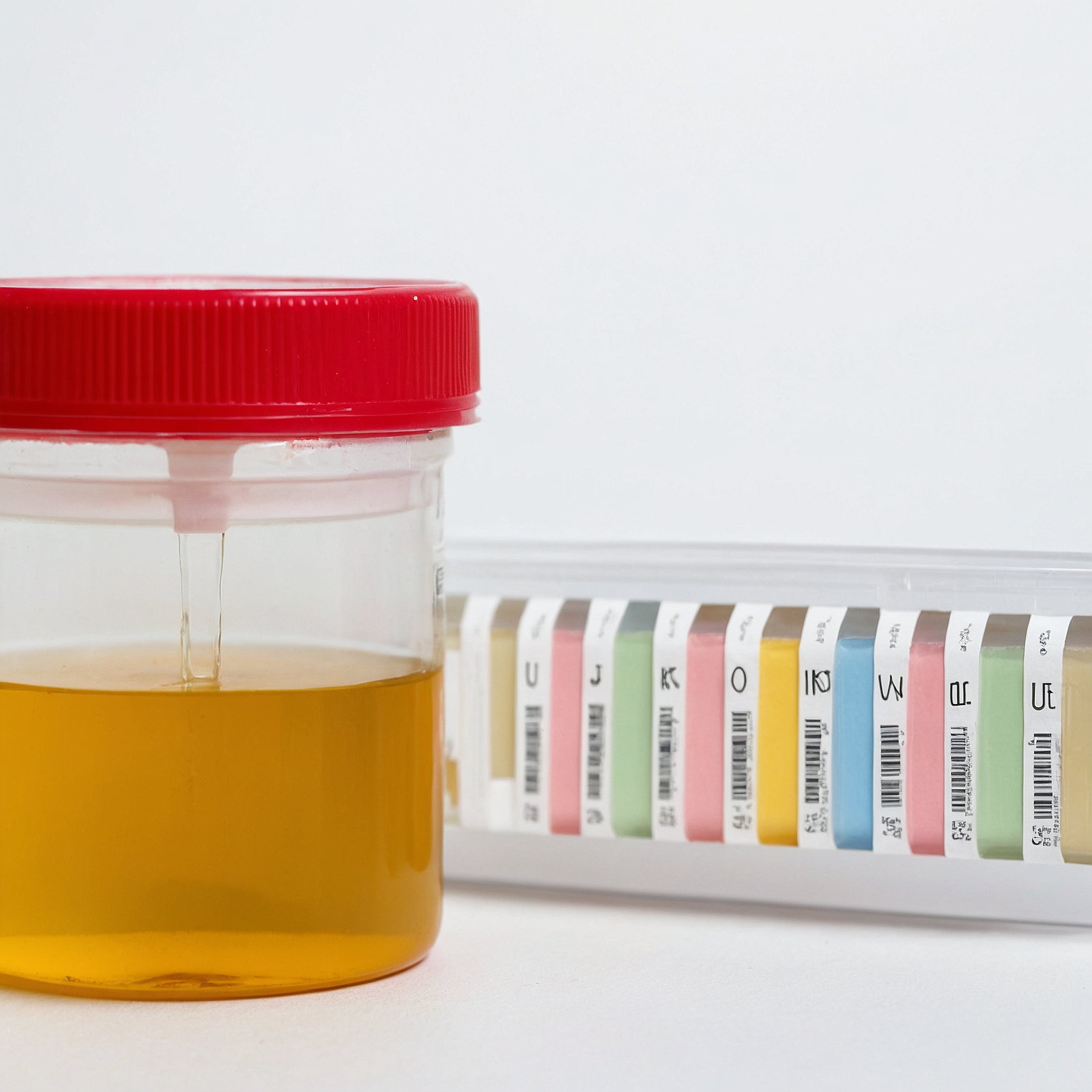
If you’re preparing for a DOT urinalysis in Charlotte, NC, or simply curious about the process, it’s crucial to understand the DOT urinalysis guidelines and how they play a key role in ensuring safety for drivers and employees. Whether you’re an employer, employee, or a collector, adhering to these guidelines helps maintain a smooth and compliant process. In this article, we’ll break down the essentials of the urine specimen collection process, DOT and non-DOT guidelines, and provide expert tips on how to prepare for a successful test.

TL;DR – Key Points for a Quick Overview:

  • DOT urinalysis guidelines require a specific process for collecting and testing urine specimens to ensure drug testing integrity.
  • Employers must ensure collections occur in a controlled and secure environment, and mock collections are often used for training purposes.
  • Refresher training for collectors is essential to ensure the guidelines are followed correctly.
  • DOT drug tests must meet strict requirements for temperature, specimen collection, and employee identification.
  • Call 704-544-3494 to schedule a DOT medical exam in Charlotte, NC—walk-ins are accepted, and the test includes a laminated card provided the same day as passing.

Understanding DOT Urinalysis Guidelines

The Department of Transportation (DOT) has implemented strict urine specimen collection guidelines to ensure fairness, accuracy, and safety during the drug testing process. These guidelines play a significant role in maintaining a drug-free workplace, especially for individuals who operate commercial vehicles under the FMCSA (Federal Motor Carrier Safety Administration). DOT regulations specify that a urinalysis must be conducted in a secure, monitored environment by trained collectors to protect the integrity of the urine specimen.

In Charlotte, NC, we assist drivers in meeting these guidelines with reliable DOT medical exams, which include the required urinalysis test. For a streamlined process, we follow the specific collection process outlined by DOT regulations to ensure accurate and valid results.

Key Aspects of the DOT Urinalysis Collection Process

  1. Secure Collection Sites: All DOT urine specimen collection must occur in a secure site to ensure that the testing environment is controlled. This prevents tampering and ensures the accuracy of results.
  2. Temperature Requirements: The collected urine specimen must meet specific temperature guidelines within four minutes after the collection. Collectors are trained to verify the specimen’s temperature to ensure it’s within the acceptable range.
  3. Shy Bladder Situations: If an employee refuses to provide a urine specimen or experiences a “shy bladder” (unable to provide a sufficient urine sample), DOT guidelines permit up to three hours for the individual to drink fluids and complete the collection. The collector must follow the proper protocol to document and monitor the situation carefully.
  4. Mock Collections and Refresher Training: Collectors must undergo training and periodically conduct mock collections to ensure they follow the DOT’s strict guidelines correctly. Refresher training is recommended every few years to maintain certification and compliance.
  5. Employee Identification and Integrity of Specimens: All employees are required to provide valid identification before the collection. Once the urine specimen is collected, it’s sealed, labeled, and secured with official US government seals. This ensures the specimen’s integrity during transport to the testing laboratory.

DOT Urinalysis: Collection, Integrity, and the Importance of Compliance

dot urinalysis guidelines, urine specimen collection guidelines dot, non dot urine specimen collection guidelines, dot urine specimen collection guidelines

For companies in Charlotte, NC, adherence to these DOT urinalysis guidelines ensures not only compliance but also safety for everyone on the road. Employers must understand the responsibilities of ensuring a proper collection site and hiring qualified collectors. From collecting specimens to monitoring the collection process, every step is documented to ensure accuracy and adherence to federal standards.

It’s also important to remember that while DOT guidelines focus on strict urine collection processes, the guidelines for non-DOT urine specimen collection follow a similar, but slightly less rigid process. If you’re unsure whether you need a DOT or non-DOT test, you can always reach out for clarification.

Call to Action

Need a DOT medical exam in Charlotte, NC? Schedule your appointment with us today by calling 704-544-3494. We offer same-day urinalysis tests and provide a laminated card upon passing. Walk-ins are welcome on a first-come, first-served basis.


FAQs

What does a DOT look for in a urine test?

A DOT urine test screens for a specific panel of substances, including marijuana, cocaine, opioids, amphetamines, and phencyclidine (PCP). The test ensures that employees operating commercial vehicles are not under the influence of these substances.

How much urine do I need for a DOT drug test?

A DOT urine test requires at least 45 milliliters of urine.

How many panels is a DOT urine test?

The DOT urine test typically covers five panels, which include the most common illegal drugs.

What is a DOT dipstick urinalysis?

A DOT dipstick urinalysis is a simple test that uses a chemical strip to check for substances or abnormalities in the urine, but it’s not used for official drug testing.

What are the rules for collecting urine specimens?

The rules for collecting urine specimens involve maintaining a secure environment, ensuring proper identification, and adhering to temperature and tamper-proof sealing guidelines.

What is a non-DOT urine drug test?

A non-DOT urine drug test is used in workplaces not regulated by the Department of Transportation. It typically follows the company’s specific guidelines.

How many panels is a non-DOT drug test?

A non-DOT drug test can vary, typically ranging from five to 10 panels, depending on what the employer requests.

Fast DOT Physical: Get Your Medical Card Quickly

Looking for a fast DOT physical to get back on the road quickly? You’ve come to the right place. In this article, we’ll show you how to complete your DOT physical exam swiftly and efficiently. Find out the best locations, what to expect, and how to prepare for a smooth, stress-free experience.

Key Takeaways

  • AFC Urgent Care offers quick and convenient walk-in DOT physicals with same-day appointments and although wait times may vary, allowing commercial drivers to maintain certifications efficiently.
  • Certified medical examiners at the Charlotte DOT Exam Center provide personalized care, ensuring thorough examinations that meet DOT standards and address each driver’s unique health needs.
  • Unlike an urgent care facility, patients are not triaged at the Charlotte DOT Exam Center, so wait times are minimal for appointments or walk ins.
  • Proper preparation, including bringing essential documents and managing common health concerns, is crucial for a smooth DOT physical experience and maintaining the validity of the medical card.

Quick and Convenient DOT Physicals

A depiction of a convenient DOT physical exam process.

For commercial drivers, time is money, making access to quick and convenient DOT physicals indispensable. AFC Urgent Care offers walk-in appointments and extended hours, enabling you to complete your DOT physical exam hassle-free. As an urgent care center, your wait may be longer than usual as patients are triaged, treating those with urgent care first. You can fit your health check into your busy schedule without needing to book in advance due to this flexibility.

The Charlotte DOT Exam Center enhances efficiency with same-day appointments and minimal wait times, owing to their streamlined processes and professional staff. At the Charlotte DOT Exam Center our FMCSA certified medical examiners do only DOT exams with little wait. Drivers who use these services consistently commend the quick service, which helps them get back on the road faster.

Additionally, these centers offer comprehensive examinations, including vision and hearing tests, meeting all DOT physical requirements in one visit. Locations throughout North Carolina ensure easy accessibility, allowing commercial drivers to maintain their certifications without unnecessary delays.

Certified Medical Examiners Ready to Assist

Certified medical examiners are essential for DOT physicals. Trained and certified by the FMCSA, these professionals are well-versed in federal regulations and health criteria for commercial drivers. Drivers can be confident that their health examination will be thorough and compliant with DOT standards due to this certification.

The Charlotte DOT Exam Center’s team, including FMCSA certified medical examiners and physician assistants, is dedicated to providing personalized care. They review your medical history and assess any prior health issues before the physical exam, addressing any potential concerns affecting your ability to drive.

Meeting each driver’s unique health needs through personalized and informed care is a priority. This approach not only meets the DOT physical requirements but also provides a more comfortable and reassuring experience for the drivers.

Streamlined Process for Your DOT Physical Exam

An illustration of the streamlined process for a DOT physical exam.

Preparation for your DOT physical exam can save time and ensure a smoother process. Filling out the DOT exam form before your visit minimizes time spent in the office and speeds up your appointment. Bring a list of all current medications and your prescribing doctor’s contact information.

The DOT physical exam assesses key health factors, including vision, hearing, blood pressure, and overall physical fitness. These comprehensive physical examination checks ensure you meet all necessary health standards to operate a commercial motor vehicle safely, including the dot physical examination, thorough physical examination, and dot physical exams.

Meeting the DOT physical requirements results in the issuance of a medical examiner’s certificate, or DOT medical card, valid for up to two years. Praised by many commercial drivers, this streamlined process helps you get back on the road swiftly, often within an hour.

Essential Documents and Medical History

Having the right documents and detailed medical history is crucial for a successful DOT physical. Begin with your driver’s license and a complete list of medications. Complete the FMCSA medical examination report form before or after your physical.

Bring medical records from your family doctor and any specialists you consult. Present records of your blood sugar levels and your most recent Hgb A1C if you have diabetes. A letter from your cardiologist confirming your fitness to drive is required for those with heart conditions.

Certain medical conditions require additional documentation. Individuals with sleep apnea should provide at least 90 days of data from their CPAP machine. If you have had a stroke or neurological issues, include a letter from your neurologist. Preparing these documents in advance ensures a smooth and delay-free DOT physical.

Addressing Common Health Concerns

An illustration addressing common health concerns related to DOT physicals.

Certain health conditions can affect your ability to pass the DOT physical. High blood pressure and sleep apnea are common issues drivers often face. High blood pressure needs to be managed effectively, usually brought below 140/90 mm Hg. Weight loss, regular exercise, and reduced sodium intake can help manage blood pressure.

Sleep apnea is another concern. The FMCSA does not mandate standardized testing for sleep apnea, but unmanaged cases can affect your driving ability. Drivers with sleep apnea should understand that undergoing a sleep study ensures their safety on the road.

Overall health maintenance is essential for passing the DOT physical. Managing current medications and following healthcare provider’s advice helps drivers stay in optimal health. Proactively addressing these common health concerns ensures a smoother DOT physical exam experience.

Maintaining Your DOT Medical Card

An illustration of a DOT medical card and its importance.

After obtaining your DOT medical card, maintaining it is important. The medical examiner’s certificate is usually valid for up to two years. Keep a copy of your certificate and monitor its expiration date to avoid lapses in certification.

Submit a new DOT medical card to the NCDMV before your current one expires to ensure continuous certification. This proactive step helps avoid interruptions in your ability to drive a commercial vehicle.

Keeping track of your medical records and ensuring they are up-to-date is also a good idea. This includes regular check-ups and managing chronic conditions to maintain eligibility for a DOT medical card.

Locations Near You for Fast DOT Physicals

An illustration of locations offering fast DOT physicals.

Convenience is key for getting your DOT physical. The main office for these exams is in South Charlotte, off I-485, which is convenient to I-77 and I-85 near several trucking companies. This prime location allows drivers to fit their physicals into their busy schedules.

The Charlotte DOT Exam Center offers DOT physicals convenient to multiple locations: Charlotte, Harrisburg, Concord, Huntersville, Mooresville, Matthews, Rock Hill, Fort Mill and Mint Hill. Nearby amenities like gas stations, Harris Teeter, Chick-fil-A, Taco Bell, and Starbucks add convenience, making it easier to attend your appointment and get back on the road quickly.

Client Testimonials

Clients consistently praise the exceptional service and stress-free experience during their DOT physicals. Fleet managers report significant cost savings and improved care quality by referring drivers to The Charlotte DOT Exam Center. These positive experiences highlight the center’s dedication to top-notch care.

Drivers share glowing reviews, often mentioning the professional and efficient service. This feedback underscores the importance of choosing a reliable medical center for DOT physical needs.

Summary

In summary, obtaining your DOT medical card doesn’t have to be a stressful or time-consuming process. By choosing a center that offers quick and convenient DOT physicals, being examined by certified professionals, and following a streamlined process, you can ensure a smooth experience. Remember to bring all necessary documents and address any common health concerns proactively. With the right preparation and resources, you’ll be back on the road in no time.

For a fast DOT physical call 704-544-3494.

Frequently Asked Questions

What documents do I need to bring for my DOT physical?

For your DOT physical, you should bring your driver’s license, a complete list of medications, and any relevant medical records or letters from specialists. This will ensure a smooth and efficient examination process.

How long is the DOT medical card valid?

The DOT medical card is generally valid for up to two years. It’s important to keep track of its expiration to ensure compliance.

What health conditions might affect my DOT physical results?

Health conditions such as high blood pressure and sleep apnea can significantly affect your DOT physical results. It’s essential to manage these conditions to ensure a successful assessment.

Can I get a DOT physical without an appointment?

You can often get a DOT physical without an appointment, as many centers provide walk-in services and extended hours. It’s advisable to check with local facilities for their specific availability.

How quickly can I get my DOT medical card?

Upon successful completion of the DOT physical, the DOT medical card is available the same day.

Understanding CDL Physical Exam Requirements: What You Need to Know

Commercial drivers face a host of challenges on the road, but one of the most critical hurdles to maintaining their livelihood is meeting the CDL physical exam requirements, including the crucial DOT medical exam for drivers of large commercial vehicles. This DOT physical ensures that drivers are physically fit to operate commercial motor vehicles safely. Failing to meet these standards can result in the loss of a commercial driver’s license and the end of a commercial driving career. Whether you’re preparing for your first DOT physical or need to renew your medical certificate, understanding the DOT physical requirements is key to ensuring you’re medically qualified to stay on the road.

What Is a DOT Physical?

The DOT physical is a medical exam required by the Federal Motor Carrier Safety Administration (FMCSA) for anyone seeking to operate a commercial motor vehicle (CMV) in the United States. The exam is designed to ensure that commercial drivers are physically capable of performing the duties required of them, such as safely operating large trucks and transporting hazardous materials.

To meet the DOT physical requirements, you must visit a certified medical examiner who will evaluate several aspects of your health, including vision, hearing, blood pressure, and overall physical fitness. This exam is crucial because it helps identify any medical conditions that could impair your ability to drive safely. Upon passing the DOT physical, drivers receive a medical examiner’s certificate, which is essential for maintaining their commercial driving status.

Who Needs a DOT Physical?

A DOT physical is mandatory for individuals who operate commercial motor vehicles (CMVs) in interstate commerce. This includes a variety of drivers, such as:

  • CDL Holders: If you hold a Commercial Driver’s License (CDL), you are required to undergo a DOT physical to ensure you meet the necessary health standards.
  • Commercial Drivers Who Transport Hazardous Materials: Transporting hazardous materials comes with significant risks, making it crucial for drivers to be in optimal health.
  • Commercial Drivers Who Transport Passengers: Whether you’re driving a bus or a shuttle, ensuring the safety of your passengers is paramount, and a DOT physical helps verify your fitness for this responsibility.
  • Drivers of Vehicles with a Gross Vehicle Weight Rating (GVWR) of 10,001 Pounds or More: Operating large vehicles requires physical and mental acuity, which the DOT physical aims to assess.
  • Drivers of Vehicles Designed to Transport 16 or More Passengers (Including the Driver): Safety is critical when transporting large groups of people, and the DOT physical ensures drivers are up to the task.

These individuals must undergo a DOT physical examination to ensure they are physically and mentally fit to operate a CMV safely.

What Does a DOT Physical Consist Of?

A DOT physical exam is comprehensive and includes several key components to assess the health of commercial drivers. Here’s what you can expect:

  1. Vision Test: Drivers must have at least 20/40 vision in each eye, with or without corrective lenses. You’ll also need to meet the minimum peripheral vision standards.
  2. Hearing Test: A forced whisper test will determine if you can hear a whisper from at least five feet away. If you use hearing aids, make sure to bring them to the exam.
  3. Blood Pressure Check: High blood pressure can be a concern for commercial drivers. The examiner will check your driver’s blood pressure, and you may need to demonstrate that it’s under control with medication.
  4. Urine Test: A standard part of the DOT physical is a urine test, which checks for underlying health issues, such as diabetes. It’s not a drug test, though you should disclose any prescription medication you’re taking.
  5. Sleep Apnea Testing: If you have symptoms of sleep apnea, your medical examiner might recommend a sleep apnea test. This condition can significantly affect your ability to stay alert on the road, making it critical for safely operating a commercial vehicle.
  6. Physical Examination: This portion of the exam will evaluate your general physical health to ensure you’re fit for duty. The medical examiner will assess your heart, lungs, muscles, and overall condition.

Who Performs the DOT Physical?

Only a certified medical examiner listed on the FMCSA National Registry is qualified to perform the DOT physical exam. These professionals, including physicians, nurse practitioners, and advanced practice nurses, have undergone special training to understand the DOT physical requirements and how to assess the fitness of commercial drivers. When you pass the exam, you’ll receive a medical examiner’s certificate, commonly known as a DOT medical card.

Key Health Issues Addressed in the DOT Physical

The DOT physical covers a broad spectrum of health concerns, but some conditions receive extra scrutiny:

  • Sleep Apnea: Untreated sleep apnea can cause drowsiness, which is a serious risk for commercial drivers. If you have this condition, you may need sleep apnea testing and treatment to maintain your certification.
  • High Blood Pressure: Blood pressure above 140/90 could disqualify you unless it’s controlled by medication. Managing your driver’s blood pressure is essential for passing the exam.
  • Diabetes: Insulin-treated diabetes may require special considerations, and you must demonstrate that your condition is well-managed to continue driving.
  • Hearing Loss: Drivers must meet specific hearing test criteria, even if they use hearing aids.
  • Vision and Hearing: These tests are crucial, as good eyesight and hearing are necessary for the safe operation of commercial vehicles.

What Happens After the DOT Physical?

If you pass the DOT physical exam, you’ll receive a DOT medical card, which is valid for up to two years. In some cases, such as for drivers with certain health conditions, the certification may be limited to one year or less, requiring more frequent exams to ensure ongoing fitness for duty.

The DOT physical cost can vary based on location and whether it is covered by employers or health insurance, typically ranging from $85 to $150.

For an appointment for a DOT medical card, call 704-544-3494 and see one of the certified medical examiners at The Charlotte DOT Exam Center. We have examiners available Monday through Friday 9 AM – 5 PM and on Saturday 9 AM – 12 noon. The cost is $70.00 and includes the required urinalysis and a laminated card for your wallet upon successful completion. DOT Exams—it’s all we do, all day, every day. Walk-ins are accepted, but appointments are preferred for the best service.

Conclusion

Staying compliant with CDL physical exam requirements is critical for any commercial driver. By understanding what the DOT physical entails, managing any underlying health conditions, and working with a certified medical examiner, you can ensure you’re ready to hit the road safely. In the next section, we’ll explore more about the role of medical examiners, the costs of a DOT physical, and how to prepare for your exam to guarantee success.

Preparing for the CDL Medical Exam: What to Expect

The CDL medical exam, also known as a DOT physical, plays a pivotal role in ensuring that drivers are physically capable of operating a commercial motor vehicle. While it might seem overwhelming at first, understanding what the exam entails and how to prepare can help alleviate any concerns. From managing high blood pressure to ensuring your hearing test goes smoothly, the goal is to meet the DOT physical requirements with confidence. In this section, we’ll cover the details you need to know, including the role of certified medical examiners and what the DOT physical really looks for.

The Role of the Certified Medical Examiner

Only certified medical examiners are authorized to conduct the DOT physical examination. These professionals have been trained to assess the health and fitness of commercial drivers based on federal motor carrier safety standards. Certified medical examiners can include doctors, advanced practice nurses, physician assistants, and chiropractors, all of whom are listed in the FMCSA National Registry. Their job is to evaluate your ability to safely operate a commercial motor vehicle (CMV) without posing a danger to yourself or others on the road.

When you pass the DOT physical, your medical examiner will issue a medical examiner’s certificate, often referred to as a DOT medical card. This certification allows you to legally drive a commercial vehicle for up to two years, assuming no medical conditions require more frequent monitoring.

Medical History and Key Factors Examined

The medical history section of your DOT physical forms is important, as it provides your medical examiner with essential information about any pre-existing conditions. Be honest about any past surgeries, current medications, and medical conditions, as this information helps the medical examiner evaluate your overall fitness.

Your physical examination will cover multiple areas, including:

  • Blood Pressure: High blood pressure is one of the most common concerns during a DOT physical. The blood pressure check will determine whether your driver’s blood pressure is within acceptable limits. If you’re on medication for high blood pressure, make sure it’s well-managed before the exam.
  • Vision and Hearing: During the physical exam, your medical examiner will conduct a vision test and hearing test to ensure you meet the DOT physical requirements. Hearing loss can disqualify you unless you’re using hearing aids that help you meet the standard.
  • Urine Test: The urine test is a vital part of the DOT physical exam. This test helps screen for potential health problems like diabetes, but it does not test for drugs. The urinalysis is primarily concerned with your overall health.
  • Sleep Apnea Test: If you have symptoms of sleep apnea, your medical examiner may recommend additional sleep apnea testing. Untreated sleep apnea can disqualify a driver, as it severely impacts your ability to remain alert while driving.
  • Medical Condition Management: Whether you have insulin-treated diabetes or another condition, you must demonstrate that it’s well-managed. Some conditions require more frequent monitoring, and you may need a medical exemption from the FMCSA to continue driving.

How to Prepare for the CDL Medical Exam

Preparation is the key to success when it comes to your DOT physical. Here are some tips to help you ensure a smooth experience:

  1. Manage Blood Pressure: If you’re on medication for high blood pressure, take it as prescribed, and monitor your levels in the weeks leading up to the exam. Stress and lack of sleep can raise your driver’s blood pressure, so make sure to rest well the night before the exam.
  2. Bring Hearing Aids: If you rely on hearing aids, don’t forget them! You’ll need them for the hearing test portion of the exam.
  3. Keep Medical History Updated: Be ready to discuss any medical conditions you have, including medications and treatments. This is especially important if you’ve recently undergone any procedures or started new prescriptions.
  4. Prepare for the Urine Test: Stay hydrated, but don’t drink too much before the exam. Your urine test isn’t for drugs but for assessing your general health, so ensure you’re in good health beforehand.
  5. Understand DOT Physical Costs: The cost of a DOT physical varies by location. For instance, at the Charlotte DOT Exam Center, the cost is $70, which includes the required urinalysis and a laminated DOT medical card upon successful completion.
  6. Schedule Your Exam Early: While some clinics accept walk-ins, it’s always best to schedule an appointment to ensure prompt service.

Why the CDL Medical Exam Matters

The CDL medical exam is designed to ensure the safety of commercial drivers and the public. Passing the exam means you’re medically qualified to handle the demands of driving a commercial vehicle. In some cases, failing to meet certain health standards can result in the need for more frequent testing or even the loss of your certification.

However, by staying proactive about your health and understanding the DOT physical requirements, you can avoid surprises and continue driving with confidence.

Conclusion

Taking the time to understand the CDL physical exam requirements is essential for every commercial driver. By being prepared for your DOT physical, managing your health, and working with a certified medical examiner, you can ensure that you’re in good shape to continue driving. In our next section, we’ll dive into frequently asked questions to address common concerns and provide a deeper understanding of the exam process.

For an appointment for a DOT medical card, call 704-544-3494 and see one of the certified medical examiners at The Charlotte DOT Exam Center. We have examiners available Monday through Friday 9 AM – 5 PM and on Saturday 9 AM – 12 noon. The cost is $70.00 and includes the required urinalysis and a laminated card for your wallet upon successful completion. DOT Exams—it’s all we do, all day, every day. Walk-ins are accepted, but appointments are preferred for the best service.

Disqualifying Medical Conditions and Medications

Certain medical conditions and medications can disqualify an individual from obtaining a DOT physical certification. These include:

  • Epilepsy or Seizures: Conditions that can cause sudden loss of consciousness or control are significant safety concerns.
  • Heart Conditions: Issues such as coronary artery disease or heart failure can impair a driver’s ability to operate a vehicle safely.
  • High Blood Pressure: Uncontrolled high blood pressure can lead to serious health events, making it a disqualifying factor unless well-managed.
  • Diabetes: If not well-controlled, diabetes can cause complications that affect driving safety.
  • Sleep Apnea: Untreated sleep apnea can lead to severe fatigue, posing a risk on the road.
  • Certain Medications: Medications that cause drowsiness or impair cognitive function can disqualify a driver. This includes some narcotics and anti-seizure drugs.

Individuals with these conditions or taking these medications may be eligible for a waiver or exemption, but they must provide documentation from their healthcare provider to support their application.

Where to Get a DOT Physical

DOT physicals can be obtained from certified medical examiners (CMEs) who are listed on the Federal Motor Carrier Safety Administration’s (FMCSA) National Registry of Certified Medical Examiners. CMEs can be found at:

  • Occupational Health Clinics: These clinics specialize in workplace health and often provide DOT physicals.
  • Primary Care Physician Offices: Many family doctors and general practitioners are certified to conduct DOT physicals.
  • Urgent Care Centers: These centers offer convenient, walk-in services for DOT physicals.
  • Specialty Clinics: Some clinics focus exclusively on DOT physicals, providing specialized services for commercial drivers.

It is essential to ensure that the healthcare professional conducting the exam is a certified medical examiner to ensure that the exam meets the FMCSA’s requirements.

DOT Physical Forms and Documentation

The following forms and documentation are required for a DOT physical:

  • Medical Examination Report (MER) Form: This form records the results of your physical examination.
  • Medical Examiner’s Certificate (MEC) Form: This certificate is issued upon passing the DOT physical and is required to operate a CMV.
  • FMCSA Medical Examiner’s Certificate Form: This form is submitted to the FMCSA to document your certification.
  • Driver’s Medical History: A comprehensive record of your medical history, including past surgeries, current medications, and any medical conditions.
  • List of Medications: A detailed list of all medications you are taking, including dosage regimen and dosages.
  • Test Results and Medical Records: Documentation of any medical tests or records related to conditions that may affect your ability to drive.

These forms and documentation must be completed and submitted to the FMCSA to obtain a DOT physical certification.

Frequently Asked Questions About the DOT Physical

When it comes to the DOT physical exam, commercial drivers often have a lot of questions. Below are some of the most common questions and answers that can help you prepare for your exam and understand the process.

What does a NC DOT physical consist of?

A North Carolina DOT physical follows the same guidelines set by the Federal Motor Carrier Safety Administration (FMCSA). During this exam, a certified medical examiner will assess your overall health to ensure you’re fit to operate a commercial motor vehicle. The DOT physical consists of:

  • Vision and Hearing Tests
  • Blood Pressure Check
  • Urine Test
  • Review of your medical history
  • A thorough physical examination, including checks for heart, lungs, and muscle function
  • Evaluation for potential issues like sleep apnea

At the end of the exam, if you pass, you will be issued a DOT medical card.

How to pass a DOT blood pressure test?

To pass a DOT blood pressure test, your blood pressure must be under 140/90. If your blood pressure is higher than this, you may be disqualified or given a temporary certification. To improve your chances of passing:

  • Take prescribed blood pressure medication regularly.
  • Eat a low-sodium diet in the weeks leading up to your exam.
  • Get adequate sleep the night before the exam.
  • Avoid caffeine, tobacco, and other stimulants before your blood pressure check.

How much is a DOT physical in NC?

The cost of a DOT physical in North Carolina varies by provider. At the Charlotte DOT Exam Center, the cost is $70, which includes a urine test and a laminated DOT medical card upon passing the exam. Other clinics may charge more or less depending on location and additional services.

What does a DOT physical consist of in Texas?

A DOT physical in Texas is similar to those conducted in North Carolina or any other state. It includes:

  • Vision and Hearing Tests
  • Blood Pressure Check
  • Urine Test
  • Review of your medical history
  • A physical exam assessing your heart, lungs, and physical health
  • Evaluation for sleep apnea and other conditions

You will also receive a DOT medical card upon successful completion of the exam.

Which of the following medical conditions disqualify a commercial driver?

Several medical conditions can disqualify a driver from obtaining a DOT medical card, including:

  • High blood

A Comprehensive Guide to DOT Hearing Requirements

If you’re aiming to drive a commercial motor vehicle (CMV), you must pass a DOT physical exam, and your hearing ability plays a big part in that. Whether you’re new to the process or just need a refresher, understanding the DOT hearing requirements is essential.

TL;DR for DOT Hearing Requirements Article:

  • DOT physical exam includes a hearing test, which can be passed through either a whisper test or an audiometric test.
  • FMCSA requires hearing thresholds of less than 40 decibels at 500Hz, 1000Hz, and 2,000Hz or the ability to hear a whisper from five feet away.
  • Hearing aids can be used during the test.
  • Drivers with hearing loss can apply for a hearing exemption.
  • Both deaf and hard of hearing individuals can still qualify to drive CMVs with FMCSA approval.

What Are DOT Hearing Requirements?

The Federal Motor Carrier Safety Administration (FMCSA) has specific guidelines that drivers must follow to obtain or retain a commercial driver’s license (CDL). These requirements ensure that all drivers can hear well enough to safely operate a CMV in any driving situation, such as navigating through traffic or responding quickly to a siren or horn.

According to the FMCSA, you need to either pass a whisper test or an audiometric test to prove your hearing meets the standards.

The Whisper Test Explained

The whisper test is a simple, yet critical evaluation. A medical examiner will ask you to repeat words they whisper from a distance of about five feet. You’ll need to hear and repeat these words accurately to pass. This test evaluates your ability to hear softer sounds, simulating a situation where you may need to detect low-volume noises, like vehicle alerts or warnings on the road.

Audiometric Testing: An Alternative Option

If you don’t pass the whisper test, don’t worry—you still have another option. The audiometric test assesses your hearing at different frequencies: 500Hz, 1000Hz, and 2,000Hz. To pass, you need to have a hearing threshold of less than 40 decibels in your better ear across these frequencies. This test provides a more in-depth look at your hearing capacity and is often the next step for those who struggle with the whisper test.

Driving with Hearing Loss

It’s a common misconception that hearing loss automatically disqualifies someone from driving a CMV. That’s not the case. Many drivers with hearing aids can still meet the DOT hearing requirements and get their medical certificate. You are allowed to use your hearing aids during the exam, so long as they help you meet the required standards.

In some cases, the FMCSA grants hearing exemptions to individuals who are deaf or hard of hearing. If you apply for this exemption, you’ll need to prove that you can still drive a CMV safely, despite your hearing impairment.

The Importance of the DOT Physical Exam

During your DOT physical, your medical examiner will run through a series of tests to evaluate your overall health, including your hearing ability. If you use hearing aids, bring them along for the exam. It’s essential to show that you can meet the DOT physical hearing requirements with or without hearing aids.

In addition to the whisper test, the examiner may use an audiometric device to check if you meet the required hearing threshold. The goal is to ensure that you can safely operate a CMV and react to auditory signals that could affect your safety or the safety of others on the road.

FAQs on DOT Hearing Requirements

What are the hearing standards for FMCSA?

Drivers must be able to hear a forced whisper at five feet or pass an audiometric test with hearing loss below 40 decibels in their better ear across frequencies of 500Hz, 1000Hz, and 2,000Hz.

What is acceptable hearing?

Acceptable hearing includes being able to hear a forced whisper at five feet or having a hearing threshold of less than 40 decibels in your better ear across the key frequencies.

How is hearing disability determined?

Hearing disability is determined through either a whisper test or an audiometric test, depending on the driver’s hearing capacity.

What are the OSHA requirements for hearing testing?

OSHA requires that employees in loud environments (over 85 decibels) undergo regular hearing tests to monitor potential hearing loss.

How far do you have to be for a whisper test DOT?

The whisper test is performed at a distance of five feet. The driver must hear and repeat whispered words correctly to pass.

Can a deaf person drive a CMV?

Yes, a deaf person can drive a commercial motor vehicle with an FMCSA hearing exemption, provided they demonstrate their ability to operate the vehicle safely.

Call 704-544-3494 For Your DOT Exam in Charlotte!

Need a DOT medical card? For an appointment, call 704-544-3494 and visit The Charlotte DOT Exam Center in Charlotte, NC. We’re here Monday through Friday from 9 AM to 5 PM, and Saturday from 9 AM to 12 PM. At just $70, the exam includes urinalysis and a laminated card for your wallet.

Navigating DOT Regulations for Defibrillators and Pacemakers

For commercial drivers with heart conditions that require implantable cardioverter defibrillators (ICDs) or pacemakers, staying informed about DOT regulations for defibrillators and pacemakers is important. This guide explores how these medical devices impact eligibility for a commercial driver’s license (CDL) and compliance with DOT physical exams.

Key Highlights Regarding DOT Regulations for Defibrillators and Pacemakers:

  • ICDs and CDL Eligibility: Having an ICD typically disqualifies an individual from obtaining a CDL because of the potential for sudden incapacitation, which poses significant safety risks.
  • Pacemakers and DOT Physicals: Drivers with pacemakers may pass the DOT physical if their heart condition is stable, the pacemaker functions correctly, and there are no severe cardiovascular symptoms.
  • Exemption Process: Although rare, some drivers with ICDs may apply for exemptions, which are usually not granted due to the associated risks.
  • Impact of Severe Heart Conditions: Conditions such as heart failure, recent heart attacks, or unstable angina often result in disqualification from DOT physicals, affecting the ability to hold a CDL.
  • Personal Driving: While commercial driving is typically restricted, individuals with ICDs or pacemakers may be allowed to drive personal vehicles, contingent on their doctor’s approval.

Understanding DOT Regulations:

The Federal Motor Carrier Safety Administration (FMCSA) sets specific guidelines for drivers with ICDs due to the high risk of sudden incapacitation, which can endanger both the driver and others on the road. Generally, ICDs disqualify individuals from passing the required DOT physical to obtain or maintain a CDL.

Driving with a Pacemaker:

Pacemakers, which help regulate heart rhythm, do not automatically disqualify a driver. If a driver’s condition is stable and well-managed, they can potentially pass the DOT physical and continue driving commercially. During the examination, the DOT medical examiner evaluates overall heart health, checks for other cardiovascular issues, and ensures that the pacemaker is working correctly.

Medical Certification:

Drivers with pacemakers must provide medical documentation proving their condition does not pose a safety risk. This certification may involve tests and reports from a cardiologist to ensure the driver’s heart condition is well-controlled. In contrast, obtaining certification with an ICD is much more difficult due to the inherent risks involved.

FMCSA’s Role in Ensuring Safety:

The FMCSA’s role is to set standards that reduce accidents caused by health-related issues, ensuring that commercial drivers meet the necessary health requirements. The agency regularly updates its guidelines based on new research to keep the regulations relevant and effective.

Conclusion:

For commercial drivers, understanding the implications of having an ICD or pacemaker on their career is essential. While pacemakers can allow drivers to maintain their CDL if their health is stable, ICDs generally lead to disqualification. Regular consultations with healthcare providers and staying updated with FMCSA guidelines will help drivers remain compliant and safe on the road.

Need A DOT Medical Exam? Call 704-544-3494!

Ensure your commercial driving career stays on track by getting your DOT medical physical at the Charlotte DOT Exam Center. Whether you have a pacemaker or other heart condition, our certified medical examiners will assess your health to ensure you meet DOT requirements. Walk-ins are welcome on a first-come, first-served basis, but appointments are preferred. For just $70.00, you can complete your exam and receive your DOT medical health card on the same day. Call 704-544-3494 to schedule your appointment today!

Frequently Asked Questions about DOT Regulations for Defibrillators and Pacemakers

  1. Can I get a commercial driver’s license (CDL) if I have an implantable cardioverter defibrillator (ICD)?
    • Generally, no. Having an ICD usually disqualifies an individual from obtaining a CDL due to the high risk of sudden incapacitation, which can endanger both the driver and other road users.
  2. Is it possible to pass a DOT physical with a pacemaker?
    • Yes, drivers with pacemakers can pass a DOT physical if their heart condition is stable, the pacemaker functions correctly, and there are no severe symptoms related to cardiovascular issues.
  3. Are there any exemptions for drivers with ICDs to obtain a CDL?
    • While exemptions can be applied for, they are rarely granted due to safety concerns. Drivers with ICDs are considered at high risk for sudden incapacitation, making these exemptions uncommon.
  4. What heart conditions could disqualify me from obtaining a CDL?

Charlotte DOT Exam Center: Your Trusted Partner for CDL Medical Exams

As a commercial driver, your health and fitness are crucial not only for your safety but also for the safety of others on the road. To maintain your commercial driver’s license (CDL), you must undergo regular CDL medical exams to ensure you meet the Department of Transportation’s (DOT) health standards. At The Charlotte DOT Exam Center, we understand the importance of these exams and are committed to providing comprehensive, efficient, and reliable CDL medical exams. Our experienced team is here to help you meet all necessary requirements, whether you’re a seasoned driver or just starting your commercial driving career.

TL;DR About CDL Medical Exams

  • CDL medical exams are essential for maintaining a valid commercial driver’s license.
  • The Charlotte DOT Exam Center provides complete CDL medical exams, CDL medical cards, and DOT medical certifications.
  • We accept both appointments and walk-ins. Call 704-544-3494 to schedule your exam or get more information.

What is a CDL Medical Exam?

A CDL medical exam is a federally mandated physical exam that every commercial driver must pass to obtain or maintain a commercial driver’s license. These exams are designed to ensure that drivers are in good health and can safely operate commercial vehicles. During the exam, our certified medical professionals will evaluate your vision, hearing, blood pressure, and overall physical health. The goal is to identify any medical issues that could impair your ability to drive safely. By maintaining these health standards, we help protect not only you but also everyone else on the road.

CDL Medical Card and Certificate

After successfully passing your CDL medical exam, you will be issued a CDL medical card. This card serves as proof that you meet the health standards required to operate a commercial vehicle. Typically, the CDL medical card is valid for two years, but in some cases, it may be issued for less time if there are health conditions that require more frequent monitoring. It is important to renew your CDL medical card before it expires to avoid interruptions in your ability to drive commercially.

DOT Medical Card Requirements

While the terms CDL medical card and DOT medical card are often used interchangeably, it’s important to understand the distinctions. A DOT medical card is a broader certification that applies to all commercial drivers who fall under DOT regulations. The requirements to obtain a DOT medical card are strict, ensuring that drivers do not pose a risk to themselves or others. To qualify, you must pass a physical examination that checks for a range of health issues, including cardiovascular health, respiratory function, neurological stability, and other factors that could affect driving ability.

Why Choose The Charlotte DOT Exam Center?

Choosing the right medical center for your CDL medical exam is crucial. At The Charlotte DOT Exam Center, we are dedicated to providing exceptional service tailored to the needs of commercial drivers. Here’s why you should choose us:

  • Experienced Professionals: Our team consists of certified medical examiners who specialize in DOT and CDL medical exams, ensuring you receive accurate and thorough evaluations.
  • Convenience: Located centrally in Charlotte, our clinic offers extended hours to accommodate your busy schedule. We understand that your time is valuable, and we strive to provide quick and efficient service.
  • Flexibility: Whether you prefer to schedule an appointment or walk in at your convenience, we are here to help. Our flexible scheduling options mean you can get your medical exam done when it suits you best.
  • Competitive Pricing: We offer affordable rates for all CDL medical exams and related services, ensuring that maintaining your certification is cost-effective.

Preparing for Your CDL Medical Exam

To ensure a smooth and successful CDL medical exam, it’s important to come prepared. Here are a few tips:

  • Bring all necessary documentation, including your medical history, a list of current medications, and any corrective eyewear you may use.
  • Stay hydrated and avoid caffeine or heavy meals before your exam to help maintain normal blood pressure levels.
  • Get a good night’s sleep before your exam to ensure you are well-rested and ready.

What to Expect During the Exam

At The Charlotte DOT Exam Center, we aim to make your exam experience as straightforward and stress-free as possible. Here’s what you can expect:

  1. Check-In: Upon arrival, you will fill out a brief medical history form and provide any necessary identification.
  2. Health Assessment: Our medical examiner will conduct a physical examination, including vision and hearing tests, a blood pressure check, and other relevant health assessments.
  3. Review: Once the exam is complete, our examiner will review the results with you. If all requirements are met, you will receive your CDL medical card on the spot.

Maintaining Your CDL Medical Certification

Maintaining your CDL medical certification is crucial for uninterrupted driving privileges. Regular medical exams are required to ensure ongoing compliance with DOT health standards. To avoid penalties and keep your CDL status active, make sure to schedule follow-up exams for renewals before your current certification expires.

Call The Charlotte DOT Exam Center at 704-544-3494

Your CDL medical exam is an essential part of your career as a commercial driver. At The Charlotte DOT Exam Center, we are committed to providing the highest level of care and service to help you stay on the road. Don’t wait—schedule your CDL medical exam today! We accept both appointments and walk-ins, making it easy and convenient for you. Call us now at 704-544-3494 to book your appointment or learn more about our services. Your health and safety are our top priorities, and we look forward to serving you.

Heart Disease

DOT Exam and Heart Disease

Drivers, If you have or had any history of cardiovascular disease (heart disease), that includes angina (chest pain), myocardial infarction (MI) or heart attack, please read the following requirements when you come in for your DOT physical exam.  If you’ve had any procedures for these medical conditions, including angioplasty, stents, or bypass surgery, you will need to familiarize yourself with the following FMCSA guidelines.  Please share them with your treating doctor as you will need to provide us with medical records and clearance letters from your doctor.  Remember, only a FMCSA approved DOT medical examiner can certify you physically and provide you with a medical examiner’s certificate.  You and your company or motor carrier will have to be compliant by May 21, 2014.  In the mean time, prior to that, a properly performed DOT driver physical exam by a medical examiner as defined by the FMCSA will suffice, and will be valid for the time period you are certified for, even if it extends beyond May 21, 2014.  However, if you are getting your examination for the first time or re-certifying on or after May 21, 2014, you will need to see a medical examiner listed in the National Registry of Certified Medical Examiners (NRCME).

Here are the Cardiovascular guidelines (please share with your treating doctor):

Angina (chest pain)

  • Minimum of 3 months with no resting angina or change in angina pattern or decreased response to medication.
  • stable angina
  • asymptomatic.
  • tolerating medications.
  • satisfactory ETT (exercise tolerate test)
  • evaluation and clearance from a cardiovascular specialist who understands the functions and demands of commercial driving.  Satisfactory ETT every two years.  If an ETT is inconclusive, an imaging stress test may be indicated.

MI (myocardial infarction or heart attack)

*video:  http://www.nlm.nih.gov/medlineplus/ency/anatomyvideos/000037.htm

  • minimum 2 month waiting period post MI
  • asymptomatic
  • tolerating medications and cardiovascular therapy
  • satisfactory ETT (post MI aprox.4-6 wks).
  • Left Ventricular Ejection Fraction (LVEF) greater than or equal to 40%
  • no resting ECG ischemic changes
  • no angina at rest, or change in angina pattern within 3 months of examination
  • satisfactory ETT every 2 years.**
  • clearance by cardiovascular specialist who understands the functions and demands of commercial driving such as load/unloading cargo, tarping trailers, inspecting brake lines and putting on tire chains.

PCI (Percutaneous Coronary Intervention)

“Angioplasty with or without stents”

videos:  http://www.nlm.nih.gov/medlineplus/ency/anatomyvideos/000096.htm

shorter video:  http://www.nlm.nih.gov/medlineplus/ency/anatomyvideos/000008.htm

  • mandatory 1 week waiting period
  • asymptomatic at examination.
  • tolerating medications.
  • no injury to the vascular access site.
  • no incomplete healing or complication at vascular access site.
  • no resting angina.
  • no ischemic electrocardiogram (ECG) changes.
  • following initial certification to drive, the driver should have a satisfactory ETT 3 to 6 months post-percutaneous coronary intervention and bring results to a 6-month follow-up examination.
  • clearance from a cardiovascular specialist who understands the functions and demands of commercial driving.  Satisfactory ETT every two years.  If an ETT is inconclusive, an imaging stress test may be indicated.


CABG (Coronary Artery Bypass graft)

video:  http://www.nlm.nih.gov/medlineplus/ency/anatomyvideos/000065.htm

  • minimum waiting period of 3 months post CABG
  • healed sternum.
  • LVEF greater than or equal to 40%.
  • asymptomatic status with no angina
  • tolerating medications, no orthostatic symptoms.
  • yearly exam and clearance by cardiologist.
  • no current diagnosis of coronary heart disease (CHD) or cardiovascular disease (CVD) that exhibits syncope, dyspnea, collapse, or congestive heart disease that interferes with the safe operation of a commercial motor Vehicle (CMV).

The following is required yearly beginning 5 years post CABG:

  • still with no current diagnosis of CHD or CVD that exhibits syncope, dyspnea, collapse, or congestive heart disease that interferes with the safe operation of a CMV.
  • responding to medication and have been advised regarding use and side effects that may interfere with operation of a CMV
  • beginning 5 years post-surgery, must have a satisfactory ETT yearly.  Imaging stress test if indicated.  Have a LVEF equal to or greater than 40%.  Recommendation that driver can safely operate a CMV.

Please refer to the FMCSA 2007 Cardiovascular Guidelines Cardiovascular_Disease_2007 Guidelines  and the 2009 cardiovascular Recommendation Tables Cardiovascular_Recommendation_Tables154164339-1.143224731_2009 for more information).

*videos:  From MedlinePlus.  A service of the US National Library of Medicine, National Institute of Health (NIH).

Stent

For a commercial driver with a stent, the Federal Motor Carrier Safety Administration (FMCSA) provides specific criteria and requirements to assess and potentially certify them to drive, with additional conditions.

Certification Requirements and Restrictions

Initial Post-Procedure Waiting Period: After a percutaneous coronary intervention (PCI) involving stent placement, a waiting period of 1-3 months is generally recommended before considering certification. This time allows for monitoring and stabilization following the procedure.

Documentation and Evaluation:

Medical Records: The driver must provide detailed medical documentation from their cardiologist indicating successful completion of the procedure and the absence of complications.
Exercise Tolerance Test (ETT): The driver is required to undergo an ETT after the waiting period. The test must demonstrate the driver’s ability to achieve a workload of at least 6 METs (metabolic equivalents) without symptoms, ischemia, or concerning arrhythmias​​.
Periodic Monitoring: The driver should continue with regular follow-ups as recommended by their cardiologist, generally every 1-2 years, to monitor heart health and any developments related to stent placement​.

Certification Duration:

If the driver is otherwise fit and meets all additional health and performance criteria, they may be certified for up to 1 year initially. Annual re-evaluation and re-certification are typically required to ensure that there are no complications or worsening cardiovascular conditions that might impact safe driving​​.
Additional Factors:

If the driver is taking medications (e.g., anticoagulants or antiplatelet therapy), the medication must not interfere with the ability to operate a commercial motor vehicle safely.
The driver should not have other disqualifying conditions such as recurrent angina, symptomatic heart disease, or uncontrolled hypertension.
Summary
According to FMCSA guidelines, a driver with a stent can be certified for up to 1 year post-PCI, assuming they have completed the waiting period, passed the ETT, and provided satisfactory medical documentation. Regular follow-up evaluations are mandatory to continue certification and ensure ongoing fitness for duty.

DOT Physical Vision Requirements: 20/40 Acuity, MCSA-5871, and the Alternative Vision Standard in Charlotte, NC

DOT Physical Vision Requirements: 20/40 Acuity, MCSA-5871, and the Alternative Standard in Charlotte, NC

Medically Authored & Reviewed By:
Dr. Lemuel P. Byrd, Jr., FMCSA Certified Medical Examiner.
Updated: November 2025 | Verifiable Credentials: View Profile
Quick Answer: The primary requirement is a 20/40 distant visual acuity in each eye and both eyes together, plus 70 degrees of horizontal peripheral vision. Drivers who do not meet this standard (e.g., those with monocular vision) may qualify under the Alternative Vision Standard (MCSA-5871 Form).

The Traditional 20/40 Vision Standard

To pass the DOT physical without needing any special exemptions or alternative standard forms, you must meet the following minimum requirements in both the left and right eyes, with or without corrective lenses:

Minimum Vision Requirements:

  • Distant Acuity: At least 20/40 in the right eye.
  • Distant Acuity: At least 20/40 in the left eye.
  • Distant Acuity: At least 20/40 when using both eyes together.
  • Field of Vision: At least 70 degrees of horizontal peripheral vision in each eye.
  • Color Recognition: Ability to recognize the colors of standard traffic signals (red, green, and amber).

Corrective Lenses and Refractive Surgery

  • Contact Lenses/Glasses: You are permitted to wear contact lenses or glasses during the vision test, provided you are comfortable wearing them while driving.
  • Laser Eye Surgery: Provided you meet the vision requirements, you should have no problem passing the exam.
  • Monovision Disqualification: The use of contact lenses where one eye is corrected for distant visual acuity and the other for near vision (monovision) is not acceptable for commercial driving.

The Alternative Vision Standard (MCSA-5871)

Effective March 22, 2022, the FMCSA introduced the Alternative Vision Standard. This new process replaces the old, complex Federal Vision Exemption program and simplifies the certification process for drivers who do not meet the traditional standard, typically those with monocular vision (legally blind in one eye).

Key Requirements for the Alternative Standard

If you cannot meet the 20/40 requirement in both eyes, you may still qualify if you meet the following criteria in your better eye:

Factor Alternative Standard Requirement Required Documentation
Better Eye Vision At least 20/40 (Snellen) with or without corrective lenses. You must submit a completed Vision Evaluation Report, Form MCSA-5871, signed by an Ophthalmologist or Optometrist.
Field of Vision At least 70 degrees in the horizontal meridian in the better eye.
Color Recognition Ability to recognize the colors of standard red, green, and amber traffic signals.
Stability The vision deficiency must be stable, and the driver must have had sufficient time to adapt and compensate for it.

Monocular Vision and Federal Certification

If you have monocular vision (e.g., legally blind in one eye from an injury) and meet the requirements of the Alternative Standard above, you are eligible for an interstate medical card. This new standard eliminates the need for the previous, lengthy waiver program.

Q: Will I need a road test for the Alternative Vision Standard?
A: Drivers who are receiving first-time certification under the new standard are often required to pass a basic road test. However, exceptions exist for drivers who had a valid federal exemption before March 22, 2022, or who have extensive recent commercial driving experience.

Disqualifying Vision Conditions

Beyond not meeting the visual acuity numbers, certain vision conditions are immediately disqualifying because they pose an unpredictable risk to safe driving:

  • Diplopia (Double Vision): Cannot be safely managed by an interstate driver.
  • Telescopic Lenses: The use of telescopic lenses for driving a CMV is not acceptable under FMCSA rules.
  • Progressive/Unstable Eye Disease: Any eye condition (like uncontrolled glaucoma or severe diabetic retinopathy) that results in fluctuating vision or an inability to obtain a stable acuity reading.

Your Action Plan to Pass in Charlotte, NC

To ensure you successfully navigate the vision requirements at your DOT physical in Charlotte:

  1. Bring Corrective Lenses: If you use glasses or contacts, bring them to your appointment.
  2. If Monocular/Alternative Standard: Download and have your Ophthalmologist or Optometrist complete the Vision Evaluation Report, Form MCSA-5871, before your exam.
  3. Schedule Your Exam: Book your appointment with a certified examiner who is experienced in applying the Alternative Vision Standard and understands the MCSA-5871 form, like Dr. Byrd.

Need Your DOT Vision Exam Reviewed by an Expert in the Alternative Standard?

Get certified by an FMCSA-Certified Medical Examiner who understands the latest MCSA-5871 rules.

Examiner: Dr. Lemuel P. Byrd, Jr., D.C.

Call Now: (704) 544-3494

Hours: Monday-Friday 9am-5pm | Saturday 9am-12pm
Location: 8415 Pineville-Matthews Road, Suite 102, Charlotte, NC 28226
Cost: $70 | No Wait Policy | Walk-ins & Appointments Welcome